


Plastic compounding machines are essential in modern manufacturing. They transform raw materials into high-performance, versatile products. But what exactly are these machines, and why are they so important?
At their core, plastic compounding machines mix polymers, additives, and fillers to create customized compounds. These machines blend raw materials into formulations that meet specific needs, such as improved strength, vibrant colors, or better heat resistance.
Their impact goes far beyond the factory floor. By enhancing material properties, these machines fuel innovation in industries like automotive, construction, and consumer goods. For instance, they help produce lightweight yet durable car parts, weather-resistant building materials, and colorful, long-lasting consumer products. Without them, many advanced materials we use today wouldn’t exist.
In this guide, we’ll explore everything about plastic compounding machines. You’ll learn about their types, functions, and practical applications. We’ll also provide tips to help you choose the right machine for your needs. Let’s get started!
Types of Plastic Compounding Machines
Choosing the right plastic compounding machine is essential for efficient and high-quality production. Each type of machine offers unique capabilities, and understanding their strengths can help you make the best decision for your needs. Let’s explore the key types of plastic compounding machines.
Twin-Screw Extruders (TSE)
As a seasoned expert in twin-screw extruders, I can confidently say these machines are the workhorses of the industry. Their intermeshing screws create high shear forces, ensuring exceptional mixing and dispersion. Think of them as the master chefs of compounding, blending polymers, additives, and fillers into a perfectly uniform recipe.
Applications:
Twin-screw extruders excel in demanding tasks like polymer blends, reactive extrusion, and high-filler formulations. Whether you’re creating flame-retardant compounds or high-strength materials, TSEs deliver consistent, high-quality results.
Key Benefits:
- Superior Mixing: The intermeshing screws ensure every particle is evenly distributed.
- Flexibility: Adjust screw configurations to handle a wide range of materials and processes.
- Scalability: From lab-scale testing to full-scale production, TSEs adapt to your needs.
If you’re working with complex formulations or need precise control, a twin-screw extruder is your go-to solution.

Single-Screw Extruders (SSE)
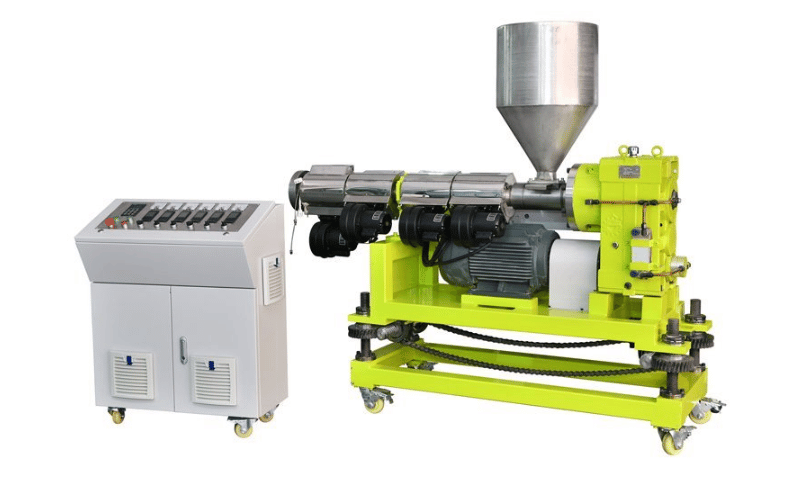
Single-screw extruders are the simpler, more straightforward cousins of TSEs. They’re reliable for basic tasks but lack the finesse needed for intricate formulations. I often recommend SSEs for operations where simplicity and cost-effectiveness are priorities.
Applications:
These machines are ideal for simple blending, re-melting, and profile extrusion. For example, if you’re reprocessing scrap material or producing basic plastic profiles, an SSE will get the job done.
Limitations:
While SSEs are dependable, they struggle with complex formulations. Their single-screw design doesn’t provide the same level of mixing or shear as a twin-screw extruder. If your project involves high fillers or reactive processes, you’ll need to look elsewhere.
Other Equipment
Beyond extruders, several other machines play vital roles in plastic compounding. Each serves a specific purpose, and knowing when to use them can streamline your operations.
Batch Mixers:
For small-scale production or specialty compounds, batch mixers are a great choice. They allow precise control over mixing time and ingredient ratios, making them perfect for R&D or niche applications.
Continuous Mixers:
When high-volume, consistent output is your goal, continuous mixers shine. These machines maintain a steady flow of material, ensuring uniformity and efficiency in large-scale production.
Pelletizers:
Once your compound is ready, pelletizers step in to transform it into easy-to-handle pellets. Whether you’re using strand, underwater, or air-cooled pelletizers, they ensure your material is ready for downstream processing or shipping.
Each of these machines has its place in the compounding process. By understanding their strengths and limitations, you can optimize your production line and achieve the best results. If you’re unsure which equipment suits your needs, don’t hesitate to seek expert advice—after all, the right machine can make all the difference.
How Plastic Compounding Machines Work
Understanding the operation of plastic compounding machines is essential for achieving consistent, high-quality results. Each stage in the process serves a specific purpose, and attention to detail at every step can make a significant difference. Let’s break it down into manageable sections.
Material Feeding and Dosing
The process starts with feeding and dosing the raw materials. Precision is key here. The correct amount of polymers, additives, and fillers must be introduced to ensure the compound meets its intended specifications.
Tools for Feeding:
- Gravimetric Feeders: These measure materials by weight, offering high accuracy. They are ideal for applications requiring strict consistency.
- Volumetric Feeders: These measure materials by volume and are better suited for less demanding tasks.
Regular calibration of feeders is critical. Even minor inaccuracies can lead to inconsistent product quality.
Melting and Homogenization
Once the materials are fed, the machine applies heat and mechanical energy to melt and homogenize them. This step transforms solid polymers into a uniform, workable melt.
The barrel and screws generate heat through conduction and friction. Maintaining the correct temperature in each barrel zone is crucial. Overheating can degrade the material, while insufficient heat can result in incomplete melting.
Mixing and Dispersion
Mixing ensures that all ingredients are evenly distributed throughout the melt. This step is vital for achieving the desired material properties.
Types of Mixing:
- Distributive Mixing: Spreads materials evenly without breaking them down.
- Dispersive Mixing: Breaks down agglomerates and ensures fine dispersion of fillers or additives.
The screw design plays a major role in mixing. Elements like kneading blocks and reverse sections are configured to balance distributive and dispersive mixing. For example, high-filler formulations require more dispersive mixing to achieve uniformity.
Devolatilization and Degassing
During processing, moisture, air, and volatile components can enter the melt. These impurities must be removed to ensure product quality.
Devolatilization zones in the extruder handle this task. Vacuum ports extract volatiles without disrupting the material flow. For moisture-sensitive materials, a dedicated venting section is highly effective in removing unwanted elements.
Pelletizing and Cooling
The final step is converting the melt into uniform pellets. These pellets are easier to handle, transport, and use in downstream applications.
Pelletizing Methods:
- Strand Pelletizing: The melt is extruded into strands, cooled, and cut into pellets.
- Underwater Pelletizing: Pellets are cut directly in water, which cools them instantly.
- Air-Cooled Pelletizing: This method uses air for cooling, making it ideal for heat-sensitive materials.
Proper cooling is essential. Overheating can deform the pellets, while inadequate cooling can cause clumping. Ensure your cooling system matches the material’s requirements.

By breaking down the process into these steps, you can better understand how plastic compounding machines work. Each stage is critical, and optimizing every detail ensures consistent, high-quality output.
Applications Across Industries
Twin-screw extruders are versatile tools that serve a wide range of industries. Their ability to handle complex formulations and deliver consistent results makes them essential in modern manufacturing. Let’s explore their key applications and how they add value.
Polymer and Plastic Recycling
Sustainability is a growing priority, and twin-screw extruders play a vital role in reducing plastic waste. They are at the heart of efficient recycling processes.
How They Improve Recycling:
Twin-screw extruders process recycled materials by thoroughly homogenizing polymers and removing impurities. Their high shear and mixing capabilities restore the properties of recycled plastics, making them suitable for reuse.
For example, when handling post-consumer plastic waste, devolatilization zones in the extruder remove moisture and volatile contaminants. This step ensures the production of high-quality recycled pellets that can rival virgin materials. If you’re working with mixed or contaminated plastics, advanced screw configurations can handle these challenges effectively.
Masterbatch Production
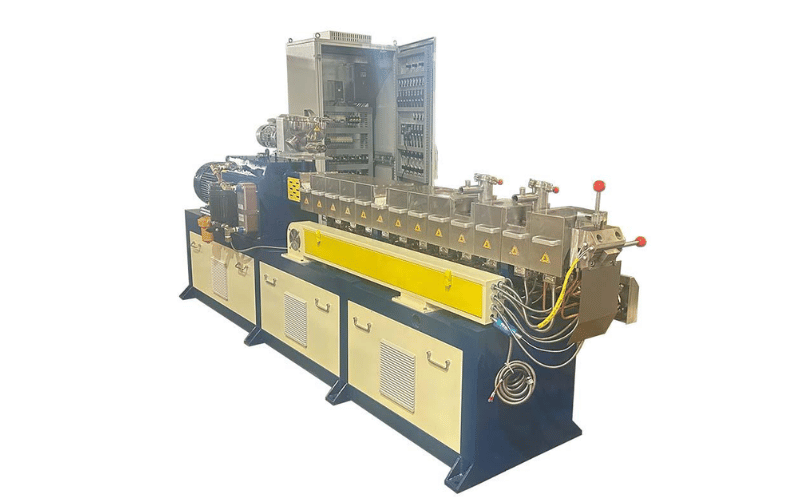
Masterbatch production is another area where twin-screw extruders excel. These machines create concentrated mixtures of pigments, additives, and polymers to enhance the properties of base materials.
Why Twin-Screw Extruders Work Best:
Their precise mixing and dispersion capabilities ensure the uniform distribution of colorants and additives. This consistency is critical for industries like packaging and automotive, where both appearance and performance are key.
For instance, in the automotive sector, masterbatches are used to produce parts with specific colors, UV resistance, or flame-retardant properties. Twin-screw extruders can handle high pigment loads without compromising quality, ensuring every batch meets strict standards.
Other Applications
Twin-screw extruders also support innovation across various industries. Their flexibility and efficiency make them indispensable in sectors like automotive, construction, and consumer goods.
Automotive:
In the automotive industry, these machines produce lightweight, durable materials for interior and exterior components. These materials help manufacturers meet fuel efficiency and safety requirements.
Construction:
In construction, twin-screw extruders process materials such as PVC and composite blends used in pipes, profiles, and panels. Customizable formulations ensure these materials meet specific needs, such as weather resistance or thermal insulation.
Consumer Goods:
In consumer goods, twin-screw extruders enable the production of high-quality plastics for items like appliances, electronics, and packaging. Their precision ensures these products are both functional and visually appealing.
Twin-screw extruders are more than just machines—they are solutions to complex manufacturing challenges. Whether you’re focused on sustainability, material enhancement, or innovation, these tools deliver precision and efficiency at every step.
Optimizing the Compounding Process
Achieving consistent, high-quality output in the compounding process requires more than just the right equipment. It demands careful attention to detail, precise adjustments, and a proactive approach to troubleshooting. Let’s explore how to optimize your compounding process for maximum efficiency and quality.
Importance of Control Systems
Control systems are the backbone of an efficient compounding process. They allow you to monitor and adjust critical parameters in real time, ensuring the machine operates at its best.
Key Parameters to Monitor:
- Temperature: Maintaining the correct temperature profile across the barrel zones prevents material degradation and ensures proper melting.
- Pressure: Monitoring pressure helps identify blockages or inconsistencies in material flow. Sudden spikes or drops can signal issues that need immediate attention.
- Screw Speed: Adjusting screw speed impacts shear, mixing, and throughput. Too fast, and you risk overheating; too slow, and you may compromise mixing quality.
Investing in advanced control systems with real-time data feedback is invaluable. These systems act like the eyes and ears of your extruder, helping you catch and correct issues before they escalate.
Tips for Efficiency
Efficiency isn’t just about running the machine faster—it’s about making every step of the process count. Here are some practical tips to improve efficiency without sacrificing quality.
Reduce Material Waste:
During early-stage development, material waste can quickly add up. Use smaller batches for testing and fine-tune your parameters before scaling up. This approach minimizes waste and saves costs.
Fine-Tune Parameters:
Adjusting parameters like screw speed, barrel temperature, and feed rate can significantly improve mixing and output. For example, if you notice poor dispersion of additives, try increasing the shear by adjusting the screw configuration or speed. Small changes can have a big impact on the final product.
Regular Maintenance:
Don’t underestimate the importance of routine maintenance. Worn screw elements or barrel liners can lead to inconsistent mixing and reduced efficiency. Schedule regular inspections to keep your machine in top condition.
Common Challenges and Solutions
Even with the best equipment and practices, challenges can arise. Knowing how to identify and address these issues is key to maintaining a smooth operation.
Melt Fracture:
This occurs when the material flow becomes unstable, leading to surface defects in the final product. To resolve this, reduce the die pressure by adjusting the screw speed or increasing the die temperature.
Air Entrapment:
Air bubbles in the melt can weaken the final product. Use vacuum venting to remove trapped air and volatiles. Ensure the vent ports are clean and functioning correctly.
Inconsistent Flow:
Uneven material flow can result in poor mixing and inconsistent product quality. Check for blockages in the feed throat or die, and ensure the feed rate matches the screw speed.
Optimizing the compounding process is a continuous effort. By leveraging control systems, fine-tuning parameters, and addressing challenges head-on, you can achieve consistent, high-quality results while maximizing efficiency. Every adjustment you make brings you closer to a process that runs like a well-oiled machine.
Maintenance and Troubleshooting
Proper maintenance and effective troubleshooting are the cornerstones of keeping your twin-screw extruder running smoothly. Neglecting these areas can lead to costly downtime and inconsistent product quality. Let’s break down the essentials to ensure your equipment stays in top shape.
Routine Checks
Regular inspections are non-negotiable when it comes to maintaining your extruder. Think of these checks as a health check-up for your machine—they help catch minor issues before they become big problems.
What to Inspect:
- Temperature Profiles: Monitor barrel zone temperatures to ensure they align with your material’s processing requirements. Deviations can signal heater or sensor malfunctions.
- Pressure Levels: Keep an eye on pressure readings at the die and along the barrel. Sudden spikes or drops often indicate blockages, wear, or feeding inconsistencies.
- Screw Wear: Inspect screw elements and barrel liners for signs of wear. Worn components can reduce mixing efficiency and lead to inconsistent output.
Make these checks part of your daily or weekly routine, depending on your production schedule. A well-monitored machine is a reliable machine.
Common Issues
Even with regular maintenance, issues can arise. Knowing how to identify and address them quickly is critical to minimizing downtime.
Gel Formation:
Gels are small, unmelted particles that can ruin the appearance and performance of your product. They often result from uneven heating or degraded material. To fix this, check your temperature settings and ensure the material is being fed consistently. If gels persist, inspect the screws for damage or contamination.
Uneven Mixing:
Poor mixing leads to inconsistent product quality. Worn screw elements or an improper screw configuration often causes this issue. Replace worn elements and review your screw design to ensure it matches the material and process requirements.
Material Build-Up:
Material can accumulate in dead zones, leading to contamination and inconsistent flow. Regularly clean the barrel and screws to prevent this. If build-up is frequent, consider adjusting the screw design to improve flow dynamics.
Best Practices
Preventive maintenance and proper care go a long way in extending the lifespan of your extruder. Here are some best practices to follow:
Cleaning:
Clean the screws, barrel, and die regularly to remove residual material. Use the appropriate cleaning tools and avoid abrasive methods that could damage components.
Alignment:
Ensure the screws are properly aligned within the barrel. Misalignment can cause uneven wear and reduce efficiency. Check alignment during routine maintenance or after replacing components.
Preventive Maintenance:
Create a maintenance schedule that includes inspections, part replacements, and lubrication. For example, replace screw elements and barrel liners before they reach critical wear levels to avoid unexpected failures.
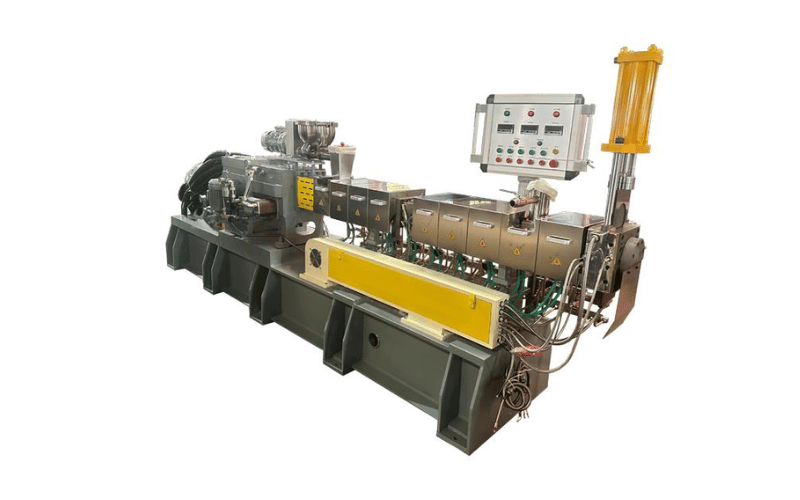
By staying proactive with maintenance and addressing issues promptly, you can keep your twin-screw extruder running efficiently and producing high-quality output. Treat your machine like a trusted partner—it will reward you with reliability and performance.
Choosing the Right Machine for Your Needs
Selecting the right twin-screw extruder is not a one-size-fits-all decision. It requires a clear understanding of your materials, production goals, and operational constraints. Let’s break down the key factors to help you make an informed choice.
Key Factors to Consider
The first step in choosing the right machine is understanding the specific requirements of your process. Each material and application comes with its own set of challenges.
Material Characteristics:
- Viscosity: High-viscosity materials require robust torque and precise temperature control to ensure proper mixing and flow.
- Shear Sensitivity: For materials prone to degradation under high shear, opt for screw configurations that minimize shear while maintaining mixing efficiency.
- Additive Compatibility: If your formulation includes fillers, pigments, or reactive additives, ensure the machine can handle these without compromising uniformity.
Production Volume:
Consider your output requirements. For high-volume production, a larger extruder with higher throughput capacity is essential. For smaller batches or R&D, a lab-scale extruder may be more appropriate.
Complexity of Formulations:
If you’re working with multi-component formulations or reactive processes, prioritize machines with advanced screw design flexibility. This allows you to fine-tune the process for optimal results.
Balancing Cost and Performance
While performance is critical, it’s equally important to balance it with cost considerations. A machine that meets your needs without unnecessary features can save you money in the long run.
Energy Efficiency:
Look for extruders with energy-efficient motors and heating systems. These not only reduce operational costs but also align with sustainability goals.
Maintenance Needs:
Machines with modular designs are easier to maintain. For example, quick-change screw elements and easy-access barrels can significantly reduce downtime during maintenance.
Budget Considerations:
While it’s tempting to go for the most advanced model, focus on what you truly need. A machine with features tailored to your application will deliver better ROI than one loaded with unnecessary extras.
When to Consult Experts
Sometimes, the best way to ensure you’re making the right choice is to consult with industry experts. They can provide tailored solutions based on your specific needs.
Why Consult an Expert?
- Custom Configurations: Experts can help design screw and barrel configurations optimized for your material and process.
- Process Troubleshooting: If you’re facing challenges like poor mixing or inconsistent output, an expert can identify the root cause and recommend solutions.
- Future-Proofing: They can guide you toward machines that accommodate potential growth or changes in your production requirements.
Choosing the right twin-screw extruder is a strategic decision that impacts your production efficiency and product quality. By focusing on your material, process, and budget, and seeking expert advice when needed, you can invest in a machine that truly meets your needs.
Frequently Asked Questions (FAQs)
Q: What is the difference between single-screw and twin-screw extruders?
A: Single-screw and twin-screw extruders differ in design and functionality.
- Single-Screw Extruders:
These have a simpler design and are ideal for basic tasks like re-melting, simple blending, and profile extrusion. However, they are less effective for complex formulations or high-filler materials. - Twin-Screw Extruders:
These feature intermeshing screws that provide high shear and excellent mixing. They are better suited for complex formulations, polymer blends, and applications requiring precise control.
If your process involves intricate formulations or high-performance materials, twin-screw extruders are the better choice.
Q: How do screw elements affect mixing quality?
A: Screw elements are critical to achieving proper mixing in a twin-screw extruder.
- Distributive Mixing:
Elements like conveying screws spread materials evenly without breaking them down. This is ideal for blending additives or fillers. - Dispersive Mixing:
Kneading blocks and reverse elements break down agglomerates and ensure fine dispersion. These are essential for high-filler or pigment-heavy formulations.
The configuration of screw elements determines the balance between distributive and dispersive mixing, directly impacting the uniformity of the final product.
Q: Why is devolatilization important in the compounding process?
A: Devolatilization removes unwanted moisture, air, and volatile components from the melt.
- Improves Product Quality:
Trapped air or volatiles can weaken the material and cause defects. Devolatilization ensures a consistent, high-quality output. - Prevents Contamination:
Removing impurities during processing reduces the risk of contamination in the final product.
Vacuum venting systems in twin-screw extruders are designed to handle this task efficiently, especially for moisture-sensitive materials.
Q: What are the benefits of pelletizing in plastic compounding?
A: Pelletizing converts the compounded material into uniform, easy-to-handle pellets.
- Improved Handling:
Pellets are easier to transport, store, and feed into downstream processes. - Consistent Quality:
Uniform pellet size ensures consistent performance in applications like injection molding or extrusion. - Cooling Efficiency:
Pelletizing methods like underwater or air-cooled systems ensure the material is properly cooled, preventing deformation or clumping.
Pelletizing is a crucial step for preparing materials for further use or distribution.
Q: How do I choose the right compounding machine for my application?
A: Choosing the right machine depends on your material, process, and production needs.
- Material Characteristics:
Consider factors like viscosity, shear sensitivity, and additive compatibility. - Production Volume:
For high-volume production, opt for larger extruders with higher throughput. For R&D or small batches, lab-scale machines are more suitable. - Cost and Performance:
Balance energy efficiency, maintenance needs, and budget. Modular designs with easy maintenance features can save costs in the long run.
Consulting with an expert can help tailor the machine to your specific requirements.
Conclusion
Plastic compounding machines play a vital role in driving innovation and improving efficiency across industries. Their ability to handle complex formulations, enhance material properties, and streamline production processes makes them indispensable tools for modern manufacturing.
Take full advantage of their capabilities to achieve better material performance, reduce waste, and support sustainability efforts. By optimizing their use, you can unlock new possibilities and stay ahead in an ever-evolving market.


 English
  Portuguese
  Spanish
  Korean
  Russian
  German