


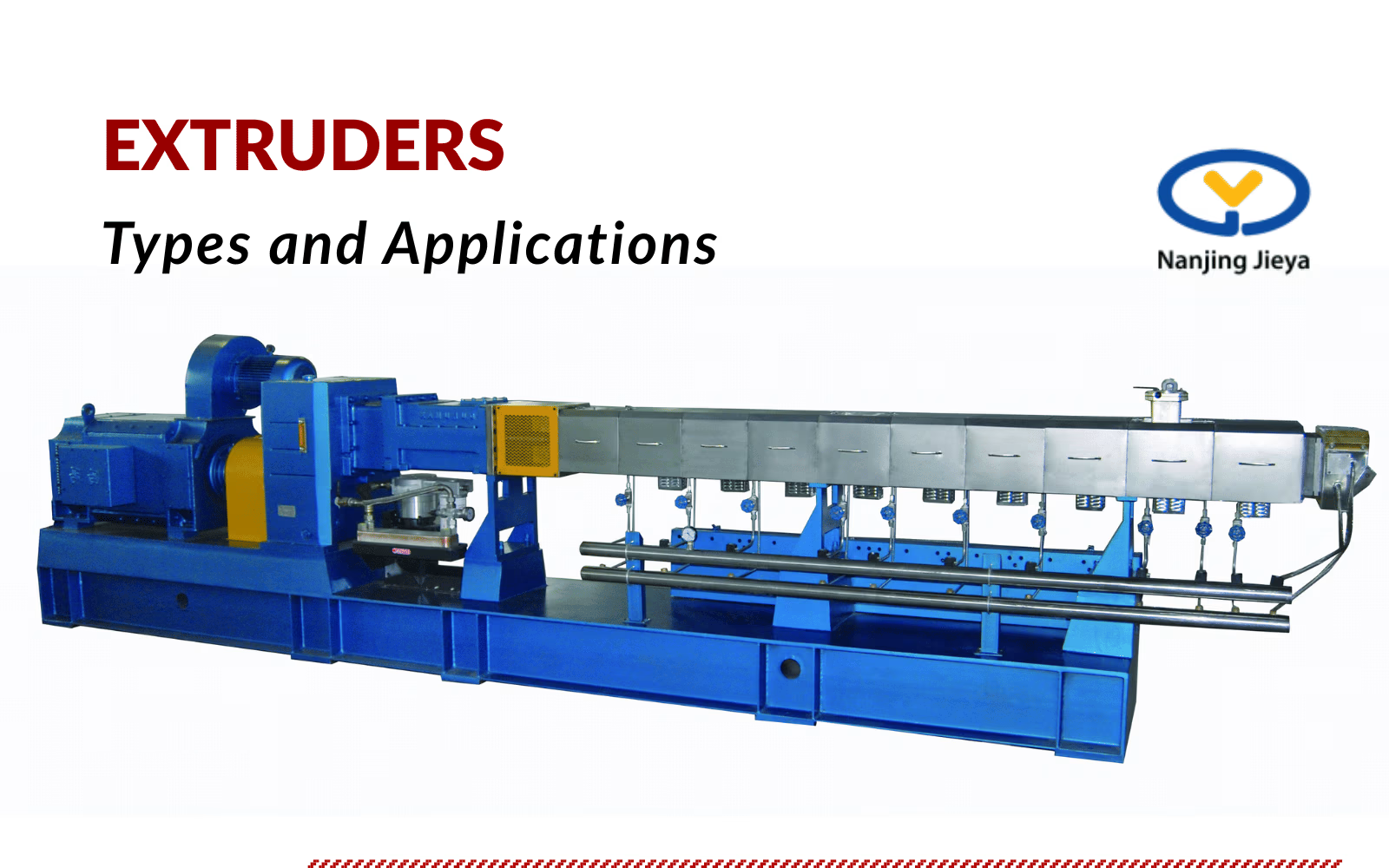
Extrusion is a straightforward yet powerful process. It involves pushing raw materials through a shaped die to create products with specific forms. This method works for a wide range of materials, including plastics, metals, and food. The process ensures consistent shapes and dimensions, making it essential in modern manufacturing.
Extruders play a key role in efficiently shaping materials. They combine melting, mixing, and forming into one continuous operation. This reduces production time and minimizes waste. Industries like packaging, construction, and automotive rely on extruders to produce high-quality products quickly and cost-effectively.
Choosing the right extruder is critical for success. The type of extruder you select directly affects product quality and production efficiency. A well-suited extruder ensures uniform mixing, precise temperature control, and consistent output. This not only improves the final product but also optimizes the entire manufacturing process.
What Is An Extruder, And How Does It Work?
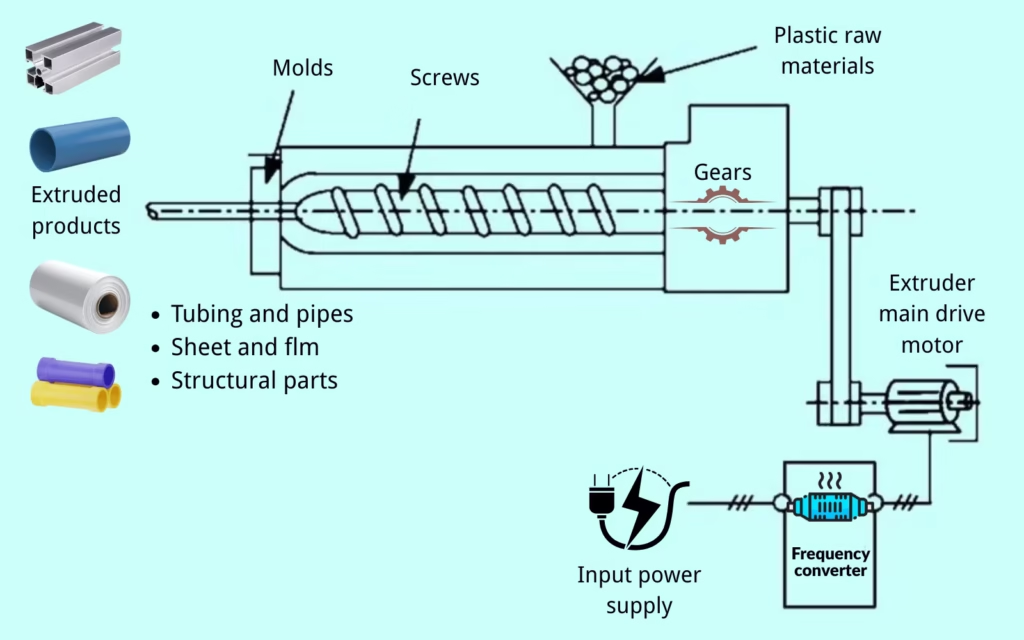
An extruder is an industrial machine used to shape materials like plastics, rubber, or metals into continuous products with specific shapes. The process involves feeding raw material (granules or powder) into a chamber where a rotating screw heats and melts it, then pushes it through a die to form items such as pipes, profiles, or pellets.
Extruders are essential in manufacturing due to their versatility. They are widely used to produce technical profiles, plastic components, and even food products like snacks. This technology is a cornerstone of many industries, enabling the efficient production of high-quality, customized materials.
Types of Extruders Based on Screw Design
Extruders can be classified based on the number and type of screws, including single-screw, twin-screw, and three-screw extruders. Among these, single-screw extruders are the most basic and widely used, ideal for pellet processing with raw materials like pelletized or crushed pellets.
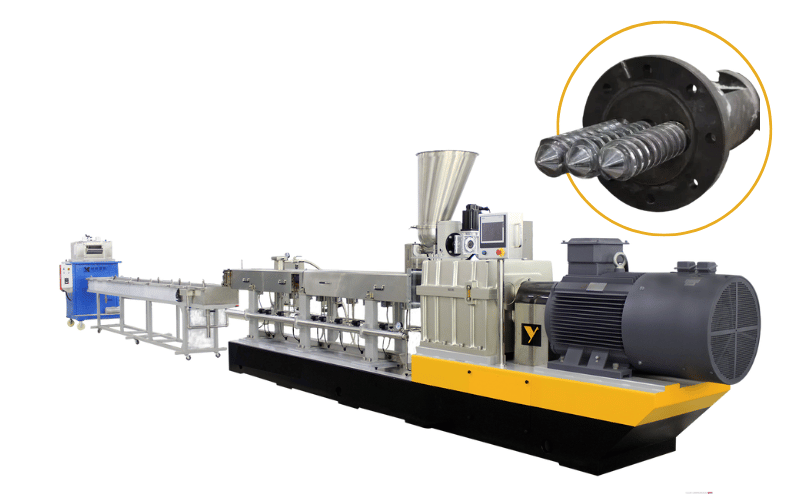
Twin-screw extruders, on the other hand, have seen rapid development in recent years and are now widely used, especially for processing PVC plastic door and window profiles. They are highly versatile and efficient, capable of directly processing mixed PVC materials without granulation, though they do require grinding waste. Twin-screw extruders can be further divided into coaxial, conical, co-rotating, and parallel types, each suited to specific applications.
Three-screw extruders, while less common, are designed for specialized tasks that demand superior mixing and processing capabilities.

Types of Extruders
Extruders come in various designs, each tailored to specific applications and material processing needs. Let’s explore the main types of extruders and their unique features:


Other Types of Extruders
In addition to single- and twin-screw extruders, specialized extruders are available for specific tasks. Here’s a quick overview:
Ram Extruders
A ram extruder is a machine used to process materials with very high viscosity, such as ceramics, ultra-high-molecular-weight plastics, and pasty metals. Unlike screw-based extruders, it uses a piston (or ram) to push the material through a heated barrel and a die. This design makes ram extruders ideal for applications that require precise compaction, minimal material waste, and the ability to handle thick, hard-to-process materials.
The process starts with loading the material into the barrel. The piston then applies pressure to push the material forward, compacting it as it moves through the barrel. Once the material reaches the die, it is shaped into the desired form. Ram extruders typically operate in batches rather than continuously, which can limit production speed but ensures high precision. They are widely used in industries like ceramics, advanced plastics, and metal processing, where accuracy and material integrity are critical.
Planetary Roller Extruders
A planetary roller extruder is a specialized machine designed for precise mixing and processing of materials, especially those requiring gentle handling and uniform dispersion. It features a central screw surrounded by multiple smaller satellite screws (rollers) that rotate around it inside a barrel. This unique design creates a high-shear, low-pressure environment, making it ideal for processing heat-sensitive materials or those with complex formulations.
The process begins with raw materials being fed into the machine. The central screw moves the material forward while the satellite screws provide additional mixing and kneading. This setup ensures thorough blending and even distribution of additives or fillers without overheating the material. Planetary roller extruders are commonly used in industries like plastics, chemicals, and food, where precision, gentle processing, and consistent quality are essential.
Vented Extruders
A vented extruder is a type of machine designed to remove unwanted gases, moisture, or volatile components from materials during the extrusion process. It features a special venting section in the barrel, where the material is exposed to a vacuum or an open vent to release trapped air or gases. This makes vented extruders ideal for processing materials that require degassing, such as recycled plastics, moisture-sensitive polymers, or compounds with volatile additives.
The process starts with raw materials being fed into the extruder. As the material is melted and mixed by the screw, it passes through the venting section, where gases and moisture are extracted. This ensures the final product is free of defects such as bubbles or voids, resulting in higher-quality output. Vented extruders are widely used across industries such as plastics, packaging, and recycling, where material purity and consistency are critical.
Applications of Extruders
Extruders are essential machines in various industries, offering efficient processing and shaping of materials. Below are some of the key applications of extruders:
1. Plastics
Extruders play a crucial role in the plastics industry. They are used to produce pipes, profiles, films, and sheets for construction, packaging, and consumer goods applications. Compounding is another primary use, where additives and fillers are blended with polymers to create customized plastic materials.
2. Rubber
The rubber industry relies on extruders for manufacturing tires, seals, and hoses. These machines ensure efficient mixing of rubber compounds with additives and reinforcements. Extruders are also used to create rubber profiles and gaskets for automotive and industrial applications.
3. Food
Extruders are widely used in the food industry to produce snacks, cereals, and pasta. They enable processes like cooking, gelatinization, and texturization, ensuring consistent quality and texture. Extruders are also used to make pet food and ready-to-eat products such as breakfast cereals.
4. Pharmaceuticals
In the pharmaceutical sector, extruders are used for creating drug delivery systems, such as sustained-release tablets and granules. Hot-melt extrusion processes combine active ingredients with polymers to produce controlled-release formulations, ensuring precise and effective medication delivery.
Extruders continue to drive innovation across industries, offering versatile solutions for efficiently producing high-quality products. Their ability to handle diverse materials makes them indispensable in modern manufacturing.
Key Features to Consider
When selecting an extruder, understanding its key features is essential to ensure optimal performance and efficiency. Here are the critical aspects to evaluate:
1. Screw Design
The design of the screw significantly impacts mixing, material flow, and overall processing efficiency. Factors like screw diameter, length-to-diameter ratio, and flight geometry determine how well the extruder handles different materials. A well-designed screw ensures uniform mixing and consistent product quality.
2. Barrel Features
The barrel plays a vital role in controlling the extrusion process. Heating and cooling zones allow precise temperature management, which is crucial for processing heat-sensitive materials. Venting systems remove moisture and volatiles, improving the quality of the final product.
3. Die Assembly
The die assembly shapes the material into its final form. Its design must match the desired product specifications, whether it’s pipes, films, or profiles. A properly configured die ensures smooth material flow and consistent dimensions, reducing defects and waste.
4. Automation
Modern extruders often feature advanced automation. Smart controls monitor and adjust parameters like temperature, pressure, and screw speed in real time. Automation enhances efficiency, reduces operator intervention, and ensures consistent production quality.
Evaluating these features helps manufacturers choose the right extruder for their specific needs. A well-selected extruder not only improves product quality but also boosts production efficiency and reduces operational costs.
Single-Screw vs. Twin-Screw Extruders
Single-screw and twin-screw extruders serve distinct purposes, each tailored to specific processing needs. Twin-screw extruders excel in thorough mixing and homogenization, making them ideal for processing complex materials and advanced applications. Their versatility allows them to handle a wide range of materials, but this comes with higher costs and more intricate maintenance requirements.
In contrast, single-screw extruders are simpler and more cost-effective, making them well-suited for straightforward tasks such as producing pipes, films, and other basic products. However, they lack the advanced mixing capabilities of their twin-screw counterparts, limiting their effectiveness in applications that require precise material dispersion.
Selecting the appropriate extruder depends on factors such as material complexity, processing requirements, and budget constraints. Understanding these differences ensures optimal performance and cost-efficiency in extrusion operations.
Maintenance and Troubleshooting
Proper maintenance and troubleshooting are essential for ensuring the longevity and efficiency of your extruder. Here are some key tips:
Maintenance Tips
- Regular Cleaning: Clean the barrel, screw(s), and die regularly to prevent material buildup and contamination.
- Lubrication: Ensure all moving parts, such as bearings and gearboxes, are properly lubricated to reduce wear and tear.
- Inspect Components: Regularly check screws, barrels, and seals for signs of wear, corrosion, or damage. Replace worn parts promptly.
- Monitor Temperatures: Verify that heating zones and cooling systems are functioning correctly to maintain consistent processing conditions.
- Check Alignment: Ensure the screw(s) and barrel are correctly aligned to avoid uneven wear or material leakage.
- Calibrate Sensors: Periodically calibrate temperature, pressure, and speed sensors for accurate readings.
- Prevent Overloading: Avoid overfeeding the extruder, as it can cause excessive pressure and damage components.
Troubleshooting Tips
- Inconsistent Output: Check for material blockages, worn screws, or incorrect temperature settings.
- Material Degradation: Ensure the barrel temperature is not too high and that the material is suitable for the extruder.
- Excessive Vibration: Inspect for loose components, misalignment, or worn bearings.
- Poor Mixing: Verify screw design and speed settings; consider upgrading to a twin- or multi-screw extruder if needed.
- Material Leakage: Check seals and gaskets for wear, and ensure components are correctly assembled.
- Unusual Noises: Investigate for foreign objects, damaged screws, or insufficient lubrication.
- Overheating: Ensure cooling systems are operational and not obstructed.
By following these tips, you can minimize downtime, extend your extruder’s lifespan, and maintain consistent product quality. Regular maintenance and prompt troubleshooting are key to efficient extruder operation.
Future Trends in Extrusion
The future of extrusion technology is focused on innovation and efficiency. Energy-efficient designs are becoming a priority, helping manufacturers reduce power consumption and support sustainability goals. Modular extruders are gaining popularity for their flexibility, allowing easy customization and adaptation to different production needs. Smart sensors are also transforming the industry by enabling predictive maintenance. These sensors monitor equipment in real time, helping to identify potential issues before they cause downtime. Together, these trends are shaping a more sustainable, adaptable, and reliable future for extrusion technology.
Conclusion
Extruders play a vital role in shaping materials for a wide range of industries, from plastics to food and pharmaceuticals. Selecting the right extruder type is crucial for achieving better product quality, improving efficiency, and optimizing costs. By understanding your specific needs and the capabilities of different extruders, you can make informed decisions that drive success in your manufacturing processes.
Frequently Asked Questions (FAQs)
Q: What is the difference between single-screw and twin-screw extruders?
A: Single-screw extruders are more straightforward, more affordable, and easier to maintain. Twin-screw extruders provide better mixing and handle more complex materials.
Q: What industries use extruders the most?
A: Plastics, rubber, food, and pharmaceutical industries rely heavily on extruders for material processing and product shaping.
Q: What is compounding in extrusion?
A: Compounding is the process of mixing polymers with additives or fillers to improve material properties like strength, color, or flexibility.
Q: How do I maintain an extruder?
A: Inspect screws and barrels regularly for wear, clean venting systems, and monitor temperature and pressure to avoid common issues.
Q: What are the latest trends in extrusion technology?
A: Energy-efficient designs, modular extruders for flexibility, and smart sensors for predictive maintenance are key trends shaping the future of extrusion.


 English
  Portuguese
  Spanish
  Korean
  Russian
  German