


Laboratory-scale compounding is an essential process in materials development, particularly in polymers, plastics, and composites. It serves as a bridge between research and full-scale production, enabling precise formulation and testing of materials on a smaller, more controlled scale. This process is vital for industries aiming to innovate and optimize material properties before scaling up.
But what exactly does laboratory-scale compounding involve? How does it contribute to material development? And what are its practical applications? In this guide, we’ll uncover the fundamentals of laboratory-scale compounding, exploring its equipment, techniques, and the wide-ranging applications that benefit from its precision and versatility.
What is Laboratory-Scale Compounding?
Laboratory-scale compounding is the process of mixing, blending, and modifying materials on a small scale, typically for research, development, and testing. It is a critical step in material innovation, particularly in industries like polymers, plastics, and composites. This process allows researchers to fine-tune formulations and evaluate material properties before transitioning to full-scale production.
Unlike industrial-scale compounding, laboratory-scale compounding focuses on precision and flexibility. While industrial compounding is designed for high-volume production, laboratory-scale setups are tailored for small-batch processing. This makes it ideal for testing new formulations, experimenting with additives, or customizing materials for specific applications.
Key features of laboratory-scale compounding include precise control over material properties, adaptability to various formulations, and efficient handling of small quantities. These attributes make it an indispensable tool for material scientists and manufacturers aiming to innovate and optimize their products.
The Significance of Laboratory-Scale Compounding in Material Development
Laboratory-scale compounding plays a pivotal role in testing and developing new material formulations. By enabling precise control over variables like temperature, pressure, and mixing speed, it allows researchers to experiment with different combinations of polymers, additives, and fillers. This process ensures that the resulting materials meet specific performance criteria before scaling up to industrial production.
In addition to formulation development, laboratory-scale compounding is essential for quality control and research. It provides a controlled environment to evaluate material properties, such as strength, flexibility, and thermal stability. This ensures that the final products meet industry standards and perform reliably in their intended applications.
The applications of laboratory-scale compounding span a wide range of industries. In plastics, it is used to create innovative materials with enhanced properties. In pharmaceuticals, it aids in developing drug delivery systems. In the food industry, it supports the creation of new packaging materials. This versatility makes laboratory-scale compounding a cornerstone of material innovation and development.
Understanding the Difference Between Laboratory-Scale and Industrial-Scale Compounding
Laboratory-scale and industrial-scale compounding differ significantly in terms of scale, equipment, and objectives. Laboratory-scale compounding focuses on small-batch processing, using compact and precise equipment designed for research and development. In contrast, industrial-scale compounding is geared toward high-volume production, utilizing larger machinery optimized for efficiency and throughput.
One of the key advantages of laboratory-scale compounding is its flexibility and precision. It allows researchers to experiment with various formulations, test new materials, and fine-tune properties without requiring large quantities of raw materials. This makes it an invaluable tool for innovation and quality control in material development.
However, laboratory-scale compounding has limitations, particularly in terms of production capacity. While it excels in research and development, it cannot match the output levels required for large-scale manufacturing. Despite this, its ability to provide detailed insights and optimize formulations makes it a critical step in the material development process.
Here’s the content for “Key Elements of Laboratory-Scale Compounding Equipment”:
Key Elements of Laboratory-Scale Compounding Equipment
Laboratory-scale compounding equipment is designed with precision and flexibility to handle small-batch processing. Each component plays a vital role in ensuring efficient mixing, kneading, and homogenization of materials. Let’s explore the key elements that make this equipment indispensable for material development.
Mixing Chamber
The mixing chamber is the heart of laboratory-scale compounding equipment. It is specifically designed for small-batch processing, allowing researchers to work with limited quantities of materials. Equipped with advanced temperature and pressure controls, the chamber ensures consistent and precise processing conditions, which are critical for achieving desired material properties.
Screw Design
The screws are a defining feature of laboratory-scale compounding equipment. They come in various types, including co-rotating, counter-rotating, and intermeshing designs. Co-rotating screws rotate in the same direction, providing high mixing and kneading action. Counter-rotating screws, on the other hand, rotate in opposite directions, offering unique shearing capabilities. Intermeshing screws enhance material conveyance and ensure thorough homogenization, making them ideal for complex formulations.
Heating and Cooling Systems
Precise temperature control is essential in laboratory-scale compounding. Heating and cooling systems are divided into multiple zones, each dedicated to specific functions like heating, cooling, or maintaining material consistency. This zoned approach ensures that the material is processed under optimal conditions, preventing degradation and ensuring uniformity.
Feeding Mechanism
The feeding mechanism introduces raw materials into the compounding equipment in controlled quantities. It is adaptable to various material forms, including powders, pellets, and liquids. This flexibility allows researchers to experiment with different formulations and achieve consistent feeding for accurate results.
Discharge System
The discharge system collects the compounded material after processing. It is designed to facilitate easy collection and offers options for further testing or processing. This ensures that the compounded material is ready for evaluation or subsequent applications.
By understanding the functions of these key elements, researchers can optimize laboratory-scale compounding equipment to achieve precise, high-quality results for a wide range of materials and applications.
How Does Laboratory-Scale Compounding Work?
Laboratory-scale compounding involves a series of precise, controlled steps that ensure adequate mixing, kneading, and processing of materials. Let’s break down the process step by step.
Material Feeding
The process begins with the introduction of raw materials into the mixing chamber. These materials, which can include powders, pellets, or liquids, are fed through a hopper or feeding mechanism. This step ensures a consistent, controlled flow of materials, laying the foundation for uniform processing.
Mixing and Kneading
Once inside the mixing chamber, the screws take over. Their rotation creates a kneading and mixing action that homogenizes and disperses the materials. This step is critical for achieving a uniform blend, especially when working with additives, fillers, or reinforcements. The screw design, whether co-rotating, counter-rotating, or intermeshing, plays a significant role in the efficiency of this process.
Temperature Control
Throughout the compounding process, precise temperature control is maintained. Heating and cooling systems within the equipment ensure that the materials reach the desired properties without degradation. Multiple temperature zones enable targeted adjustments, optimizing the material’s consistency and quality.
Discharge and Collection
The final step involves discharging the compounded material from the mixing chamber. The discharge system collects the processed material, which is then ready for further testing or application. This step ensures that the compounded material is prepared for evaluation or subsequent use in research and development.
By following these steps, laboratory-scale compounding provides a controlled and efficient method for developing and testing materials, making it an essential process in material innovation.
Advantages of Laboratory-Scale Compounding
Laboratory-scale compounding offers numerous benefits that make it an essential tool for research, development, and material innovation. Let’s explore the key advantages it provides.
Precision in Small-Batch Processing
One of the standout advantages of laboratory-scale compounding is its precision in handling small batches. This allows researchers to fine-tune formulations and achieve accurate results without the need for large quantities of raw materials. The ability to control variables like temperature, pressure, and mixing speed ensures consistent and reliable outcomes.
Flexibility for Testing Diverse Formulations
Laboratory-scale compounding equipment is highly adaptable, making it ideal for testing a wide range of formulations. Whether experimenting with new polymers, additives, or fillers, this flexibility enables researchers to explore innovative material combinations and optimize properties for specific applications.
Cost-Effectiveness for Research and Development
By focusing on small-batch processing, laboratory-scale compounding minimizes material waste and reduces costs associated with large-scale trials. This cost-effectiveness is particularly valuable during the early stages of product development, where multiple iterations and adjustments are often required.
Enhanced Control Over Material Properties
Laboratory-scale compounding provides enhanced control over material properties, such as strength, flexibility, and thermal stability. The precise control of processing conditions ensures that the final material meets the desired specifications, making it a reliable method for quality control and innovation.
These advantages make laboratory-scale compounding an indispensable process for industries like plastics, pharmaceuticals, and food, where precision, flexibility, and cost-efficiency are critical for success.
Types of Laboratory-Scale Compounding Equipment
Laboratory-scale compounding equipment comes in various types, each designed to meet specific research and development needs. Let’s explore the main categories and their unique features.
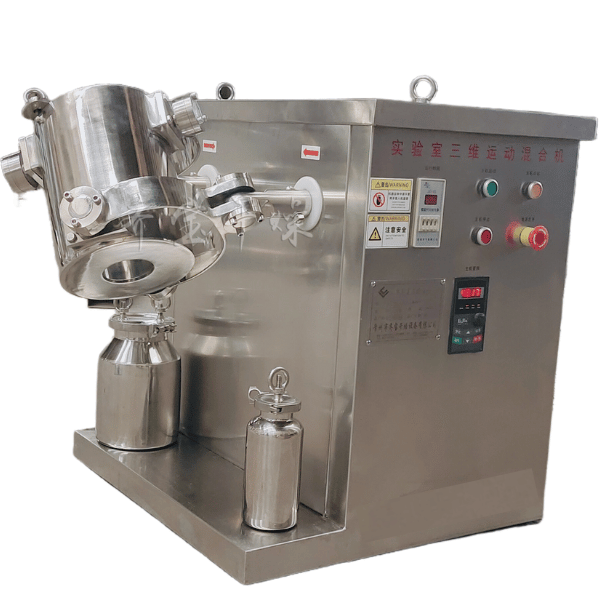
Batch Mixers
Batch mixers are a common type of laboratory-scale compounding equipment, designed for processing materials in discrete quantities. These mixers allow researchers to work with precise amounts of raw materials, making them ideal for small-batch testing and formulation development. Batch mixers are versatile and can handle a wide range of materials, from powders to viscous compounds. Their ability to deliver consistent, repeatable results makes them a popular choice for quality control and material testing.
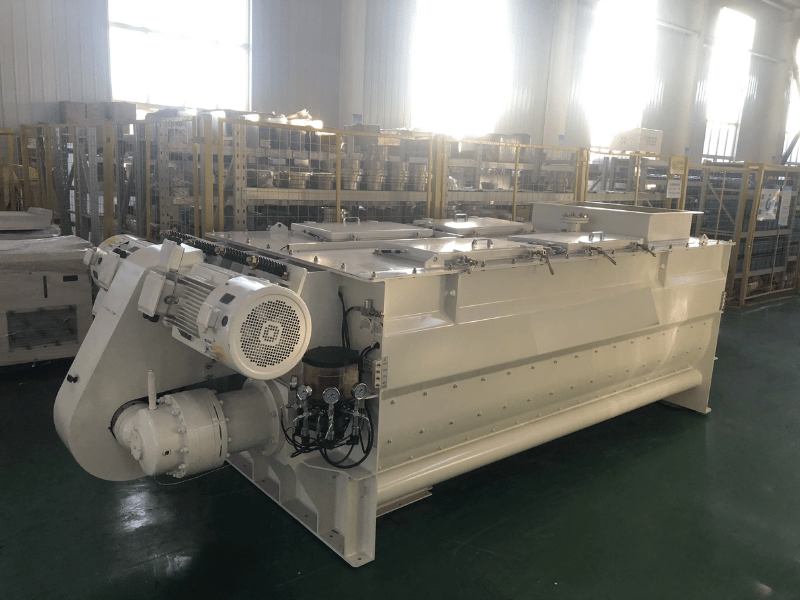
Continuous Mixers
Continuous mixers are designed for constant material processing, making them suitable for research that requires steady, uninterrupted operation. These mixers excel in applications where consistent material flow and uniformity are critical. Continuous mixers are particularly advantageous for testing formulations that need to replicate industrial-scale processes, offering insights into scalability and production efficiency.
Specialized Equipment
Specialized laboratory-scale compounding equipment is tailored for unique materials or processes. This category includes equipment designed for high-shear mixing, temperature-sensitive materials, or highly filled compounds. These machines are often customized to meet specific research requirements, enabling precise control over processing conditions and material properties. Specialized equipment is essential for industries like pharmaceuticals, where precision and customization are paramount.
By understanding the types of laboratory-scale compounding equipment and their applications, researchers can select the most suitable tools for their specific needs, ensuring efficient and accurate material development.
Applications of Laboratory-Scale Compounding
Laboratory-scale compounding is a versatile process with applications across various industries. Its ability to handle small-batch processing and precise formulations makes it an essential tool for research, development, and innovation. Let’s explore some of its key applications.
Material Development
Laboratory-scale compounding is critical for testing new polymer blends, additives, and fillers. Researchers use this process to experiment with different formulations and optimize material properties such as strength, flexibility, and thermal stability. This application is vital for developing innovative materials that meet specific performance requirements across industries such as automotive, construction, and packaging.
Pharmaceuticals
In the pharmaceutical industry, laboratory-scale compounding is used for drug formulation and testing. It enables the precise mixing of active pharmaceutical ingredients with excipients, ensuring uniformity and consistency. This process is essential for developing controlled-release drugs, transdermal patches, and other advanced drug delivery systems.
Food Industry
The food industry benefits from laboratory-scale compounding in the development and testing of new food products. This includes creating innovative textures, flavors, and formulations for snacks, cereals, and other processed foods. The ability to simulate industrial-scale processes at a smaller scale enables efficient product development and quality control.
Recycling and Sustainability
Laboratory-scale compounding supports research on recycled materials and sustainable practices. It enables testing of recycled polymers, additives, and blends, thereby improving the quality and performance of recycled products. This application is crucial for advancing sustainability initiatives and promoting a circular economy.
By addressing diverse needs across industries, laboratory-scale compounding continues to drive innovation and support the development of high-quality, sustainable materials and products.
Final Thoughts
Laboratory-scale compounding is an indispensable tool in innovation and material development. Its ability to handle small-batch processing with precision and flexibility makes it a cornerstone for testing new formulations, optimizing material properties, and advancing research across various industries.
By bridging the gap between research and industrial production, laboratory-scale compounding enables a seamless transition from concept to large-scale manufacturing. It provides researchers and manufacturers with the insights needed to refine processes, improve product quality, and explore sustainable solutions.
Whether you’re developing new materials, testing innovative formulations, or contributing to sustainability efforts, laboratory-scale compounding offers endless possibilities for advancing material science. Embrace its potential to drive innovation and shape the future of material development.
Frequently Asked Questions (FAQ)
What are the benefits of laboratory-scale compounding for R&D?
Laboratory-scale compounding offers precision and flexibility, making it ideal for research and development. It allows researchers to test new formulations, optimize material properties, and experiment with additives or fillers in small batches. This reduces material waste and accelerates innovation by providing detailed insights before scaling up to industrial production.
How does laboratory-scale compounding differ from industrial-scale processes?
The primary difference lies in scale and purpose. Laboratory-scale compounding focuses on small-batch processing for testing and development, while industrial-scale processes are designed for high-volume production. Laboratory equipment offers greater precision and control, enabling researchers to fine-tune formulations, whereas industrial systems prioritize efficiency and throughput.
What types of materials can be processed in laboratory-scale compounding?
Laboratory-scale compounding can handle a wide range of materials, including polymers, plastics, composites, and elastomers. It is also suitable for processing pharmaceutical ingredients, food products, and recycled materials. The versatility of laboratory equipment enables experimentation with diverse formulations and materials.
How can laboratory-scale compounding support sustainability goals?
Laboratory-scale compounding plays a vital role in sustainability by enabling research on recycled materials and eco-friendly formulations. It allows for testing and optimizing the performance of recycled polymers, reducing waste, and promoting the development of sustainable products. This supports circular economy initiatives and advances environmentally responsible practices.
What factors should be considered when selecting laboratory-scale compounding equipment?
Key factors include the type of materials to be processed, the desired batch size, and the specific research objectives. Considerations such as temperature control, screw design, and adaptability for different formulations are also critical. Selecting the right equipment ensures efficient processing and accurate results tailored to your research needs.


 English
  Portuguese
  Spanish
  Korean
  Russian
  German