


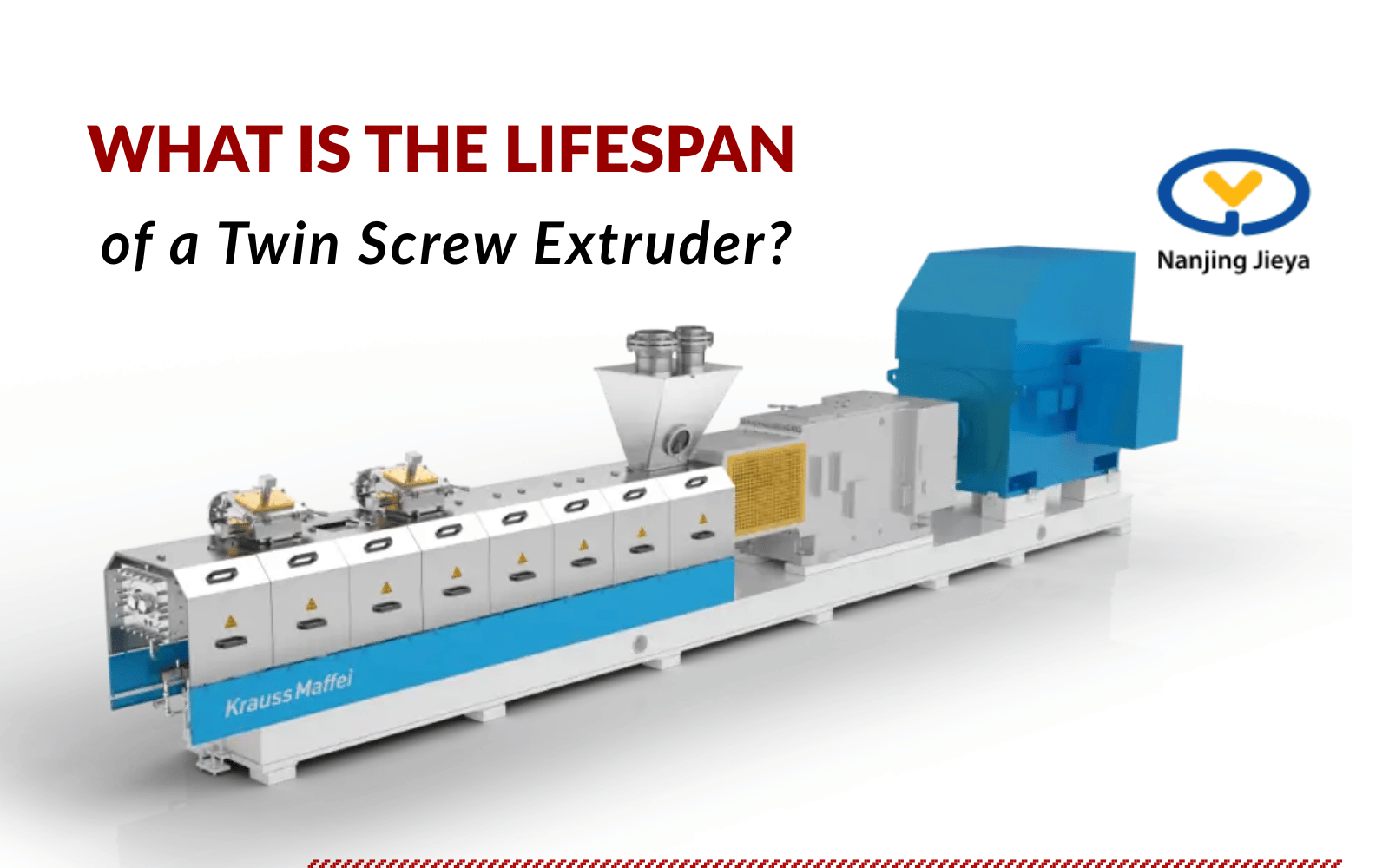
You invest in a twin screw extruder expecting it to be the backbone of your production line. But what happens when this essential machine suddenly breaks down during peak operation? It’s a nightmare for any manufacturer. I’ve seen it happen, and the impact on production—and your bottom line—is no small matter.
So, how long can you actually rely on your twin screw extruder to keep performing at its best? The answer isn’t as straightforward as you might think. The lifespan of a twin screw extruder can vary significantly, depending on factors like the materials being processed, the intensity of its usage, and how well it’s maintained.
Curious to know how to get the most out of your extruder? Let’s dive into the details and explore how you can maximize its lifespan and ensure it remains a valuable asset to your operation.
Table of Contents
ToggleWhat factors affect the lifespan of a twin screw extruder?
The materials you’re processing significantly influence the longevity of your twin screw extruder. For instance, engineering plastics and thermoplastic elastomers have different impacts on wear and tear. Engineering plastics, which are harder and more abrasive, can cause faster degradation of the screws and barrel than softer materials like thermoplastic elastomers. Understanding how each material interacts with the extruder’s components is crucial for minimizing wear and extending its lifespan.
Another critical factor is usage intensity. Continuous operation, while efficient for production, places greater strain on the extruder than intermittent use. Running the machine non-stop without proper maintenance is akin to overworking an engine—it increases the likelihood of overheating and component failure. Regular breaks and maintenance checks can help mitigate these risks.
Lastly, knowing the extruder’s operational limits is essential. Overloading the machine or operating it outside its designed parameters can lead to premature wear and even catastrophic failure. By staying within the recommended guidelines and performing routine inspections, you can maximize the lifespan of your twin screw extruder.
How important is regular maintenance?
You wouldn’t drive your car for 100,000 miles without changing the oil, would you? The same principle applies to twin screw extruders. Regular maintenance is essential to prolonging the lifespan of your extruder. This includes routine cleaning, lubrication, and inspections to ensure all components are functioning optimally. Neglecting these tasks can lead to buildup, overheating, and eventual breakdowns.
Replacing worn screws and barrels is another critical maintenance task. Over time, these components experience wear and tear, and failing to replace them promptly can cause further damage to the machine. Addressing these issues early prevents costly repairs and downtime.
Here at Jieya, we emphasize the importance of adhering to a detailed maintenance schedule. Trust me, sticking to this schedule isn’t just a recommendation—it’s a necessity. While skipping maintenance might seem like a time-saver, it’ll end up costing you significantly more in the long run.
Does the brand or manufacturer matter?
Absolutely. Not all twin screw extruders are created equal. The manufacturer you choose can significantly impact the lifespan and performance of your extruder. Reputable brands often use higher-quality components, superior designs, and provide excellent customer support. This isn’t just a claim—it’s proven through years of industry experience and customer satisfaction.
When you invest in a trusted brand like Nanjing Jieya, you’re not just buying an extruder; you’re investing in durability and reliability. Nanjing Jieya is known for its commitment to quality, using advanced technology and premium materials to ensure its extruders stand the test of time. Cutting corners isn’t an option for them because they understand that their reputation—and your success—depends on delivering top-notch products.
How can operational practices extend the lifespan?
Even the best extruder can’t endure improper handling indefinitely. Training operators on proper usage is crucial. For example, ensuring the extruder isn’t overloaded and maintaining consistent feeding rates can prevent undue stress on the screws and barrel. Proper training minimizes the risk of misuse, a leading cause of premature wear.
Additionally, keeping foreign materials out of the extruder is vital. Contaminants can cause significant damage to the internal components, leading to costly repairs or replacements. Consistency in feeding and material quality goes a long way in preserving the machine’s performance.
Environmental factors, such as temperature and humidity, also play a role. Operating the extruder in extreme conditions or fluctuating environments can accelerate wear and tear. Think of it as working in a harsh climate—eventually, the machine’s efficiency and lifespan will be compromised.
Can you upgrade parts to extend the life of your twin screw extruder?
Yes, you can! Upgrading specific components can breathe new life into your twin screw extruder. This might involve replacing worn screws and barrels with more durable options or upgrading the control system for improved efficiency and precision. These upgrades are a cost-effective way to enhance performance and extend the machine’s lifespan without requiring a full replacement.
Here’s a pro tip: If you’re considering an upgrade, consult your manufacturer for tailored solutions. Brands like Nanjing Jieya often offer customized upgrade kits designed to meet various processing needs. They can guide you in selecting the best options to keep your extruder running smoothly for years to come.
What are the warning signs that a twin screw extruder is nearing the end of its life?
Like any machine, a twin screw extruder will show warning signs before it fails. These may include reduced output, inconsistent product quality, or unusual noises during operation. If you notice these issues, it could indicate that critical components, such as screws or barrels, are wearing out and may need replacement or repair.
Don’t wait until the extruder breaks down entirely. Addressing these problems early can prevent costly downtime and production delays. Regular monitoring and proactive intervention are key to minimizing disruptions and ensuring your extruder continues to operate efficiently.
Conclusion
The lifespan of a twin screw extruder isn’t set in stone. It depends on a variety of factors, including the materials you process, how you operate the machine, and the level of care and maintenance it receives. By paying close attention to these elements and proactively upgrading and conducting regular inspections, you can significantly extend the life of your extruder and maximize your return on investment.
Remember, your twin screw extruder is more than just a machine—it’s a critical part of your production process. Treat it with the care it deserves, and it will reward you with years of reliable performance. Now, go ahead and give your extruder the attention it needs. Your production line—and your profits—will thank you.


 English
  Portuguese
  Spanish
  Korean
  Russian
  German