


Plastic extrusion serves as a foundational technology in contemporary manufacturing, allowing enterprises to fabricate an extensive spectrum of components—from cylindrical pipe sections to thin films and complex geometries—within a continuous and controlled operation. Accomplished by a variety of extruders, including single-screw, twin-screw, and ram configurations, the method converts plastic pellets or powders into uniform cross-sectional profiles in a single, uninterrupted step. Nevertheless, the anticipated throughput, precision, and reproducibility of the extrusion line are inextricably linked to a disciplined regimen of preventative and predictive maintenance. Systematic inspections, timely component refurbishments, and the deployment of condition-monitoring sensors form an integrated framework to curtail unplanned stoppages, constrain the total cost of ownership, and uphold the specified performance metrics of the output. The present review synthesizes established and emerging protocols for the upkeep of extrusion hardware, furnishing practitioners with operational checklists, diagnostic guidelines, and metrics for quality verification.
Understanding Plastic Extrusion Equipment
Overview of Extrusion Machines
Extrusion equipment constitutes a critical segment of the plastic processing industry, engineered to convert feedstock into continuous geometries, including tubes, films, and sheets. These apparatuses operate by heating plastic resin to the melt phase and subsequently forcing the liquefied polymer through a precision die to establish the intended cross-sectional form.
The methodology boasts high productivity and inherent adaptability, thereby servicing diverse market sectors ranging from flexible packaging to infrastructural components. State-of-the-art machines incorporate programmable logic controllers and feedback loops that enable fine-tuning of thermal, mechanical, and hydraulic regimes, ensuring homogeneity and dimensional accuracy within prescribed tolerances.
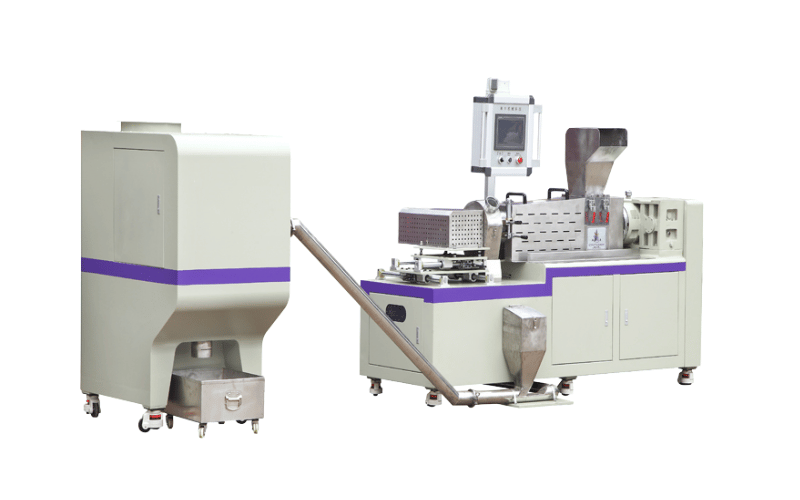
Types of Extruders Used in Plastic Extrusion
The selection of extruder configuration hinges upon the polymer characteristics and the processing objective, resulting in several commercially viable architectures.
- Single-Screw Extruders represent the predominant option, well suited to straightforward tasks such as the fabrication of industrial-tube stock, cast films, and cast sheets. They offer a favorable capital-to-output ratio and user-friendly operation, although their capacity for intensive solid-state mixing is limited.
- Twin-Screw Extruders, configured as co-rotating or counter-rotating machines, are authoritative in mixing and compounding disciplines. These extruders accommodate the incorporation of stabilizers, reinforcing agents, and fillers by providing a prolonged transit time and intensified resident shear.
- Ram Extruders are purpose-built for materials exhibiting high intrinsic viscosity, such as polytetrafluoroethylene (PTFE). In these units, a hydraulic or mechanical ram displaces polymer through the die, circumventing the need for a rotating screw.
- Planetary Extruders: This class of machine is optimized for processes involving fragile polymers that must be subjected to minimal mechanical stress, exemplified by PVC plastisols and thermally vulnerable formulations.
The performance attributes of each extruder variant are distinctive and influence material fidelity, throughput, and downstream processing, thereby underscoring the necessity for judicious selection according to the specific application and product definition.
Components of Extrusion Equipment
Extrusion systems are articulated around several interdependent subsystems, each of which fulfills an indispensable processing task:
- Hopper: The entry stage, which supplies feedstock to the extruder; it is commonly outfitted with integrated desiccation to lower the fugitive moisture content of the material before downstream operations alter its physical state.
- Barrel: The thermally controlled cylinder that accommodates the single or multiple screws; it provides axial heating and radial cooling segments, thus establishing and maintaining an axial temperature gradient suited to viscoelastic processing.
- Screw(s): The primary kinetic and thermal regime generator, executing material transport, viscous heating, and intimate component stratification; the geometry, pitch progression, and kneading elements of the screw(s) are decisive performance characteristics governing shear, residence time, and turbulence.
- Die: The final primary shaping tool that engineers the product geometry—profiles, strands, or sheets—through an orifice or fractally organized passage; die apertures and heating channels are tailored to specific rheological conditions.
- Cooling System: A subsystem that quickly crystallizes or thermally rectifies the material; it may employ laminar cooled water channels, forced ambient or chilled air, or chromed polished cooling rollers to preserve extrudate dimensional fidelity.
- Puller and Cutter: A tandem stage that extracts the material exit strand or film with uniform linear velocity, thereby preventing geometric distortion or plastic deformation, and an integrated cut-off mechanism segments the cooled extrudate into predetermined product lengths.
A thorough comprehension of these parameters enables manufacturers to refine extrusion operations, thereby achieving the simultaneous objectives of high-quality plastic output and operational efficiency.
Preventive and Routine Maintenance of Extrusion Tools
Importance of Preventive Maintenance
Preventive maintenance remains a cornerstone of operational discipline for extrusion tools, promoting both durability and performance. Proactively rectifying conditions that might precipitate equipment failure forestalls major manufacturing interruptions and secures uniform compliance with product specifications. Moreover, sustained attention to maintenance practices curtails cumulative degradation of wear components, thereby lengthening effective servicing durations for extrusion equipment.
- Minimized Downtime: By curbing the incidence of unscheduled outages, preventive actions ensure that production milestones continue without major setbacks or penalties.
- Cost Savings: Surveillance and remediation of nascent anomalies avert the escalation of expenditures associated with extensive repairs or parts replacement.
- Improved Efficiency: Tools sustained under preventive regimes perform consistently near design benchmarks, realizing gains both in throughput and energy consumption.
Thus, the adoption of a preventive maintenance outlook is a forward-looking investment that incrementally compiles greater overall productivity by enhancing operational dependability and diminishing recurrent operating expenses.
Routine Maintenance Practices for Extruders
Routine maintenance comprises daily, weekly, and monthly actions that define the operational benchmark for extrusion tools. The hierarchy of tasks includes:
- Daily Checks: Examine the feed section for material build-up that might restrict throughput, confirm that the screw and barrel surfaces are clean, and authenticate that operational temperature and pressure levels remain within the tolerances specified in manufacturer guidelines.
- Lubrication: Schedule and carry out the prescribed application of lubricant to bearings, gearboxes and any other relative moving contact surfaces in order to control friction levels and obviate the premature creation of heat distress.
- Cleaning: Remove all residues from the die and screws, as retained contaminants can compromise product specifications. Employ the correct cleaning instruments and techniques to ensure surfaces remain undamaged.
- Monitoring Wear: Visually and instrumentally inspect screws, barrels, and dies for abnormal wear patterns. Substitute components that exhibit deterioration before performance thresholds are breached, thereby avoiding declines in output integrity.
Systematic execution of these operations guarantees that the extruder continues to perform in a stable and predictable manner, thereby mitigating the probability of unforeseen breakdowns.
Scheduled Inspections and Their Benefits
Scheduled inspections represent a cornerstone of effective maintenance strategy for extruders, comprised of systematic evaluation of key components at defined intervals. Such inspections complement ongoing upkeep and contribute to overall process reliability.
Inspection Coverage:
- Screws and Barrels: Quantify wear depth and examine for surface defects that may impede thermal coupling and material homogeneity.
- Electrical Assemblies: Execute continuity and operation tests on sensors, heaters, and control circuitry to verify response thresholds and fail-safe modes.
- Cooling Modules: Examine water circuits, air impellers, and roller heat exchangers for bypass, scaling, and fluid flow degradation.
- Drive Assembly: Employ vibration, temperature, and acoustic monitoring to identify incipient bearing failure or gearing imbalance.
Advantageous Outcomes:
- Safety Enhancement: Early detection of thermal, mechanical, or electrical anomalies decreases the likelihood of personnel exposure to hazards.
- Performance Optimization: Data-driven recalibration and component replacement maintain energy efficiency and product consistency.
- Asset Longevity: Controlled operating conditions and targeted remedial measures suppress cumulative fatigue, thus extending component replacement intervals.
Integrating periodic inspections with established maintenance tasks ensures that the extrusion process remains dependable and productive, while unscheduled downtime is correspondingly curtailed.
Maintaining Extrusion Dies and Tooling
Common Issues with Extrusion Dies
Extrusion dies perform a decisive role in defining product cross-sections, but persistent deficiencies can compromise dimensional accuracy and throughput:
- Molecular Residue Accumulation: Build-up of expired polymer, lubricant, or stabilization adjuncts diminishes cavity throughput and can trigger, under severe conditions, measurable surface degradation.
- Geometric Erosion: Cyclic pressurization, especially in sectors using abrasive fillers, progressively alters die tolerances, elevating process scrap rates.
- Voiding: Partial fills of die lumina manifest as densification variants and may irreversibly distort metrology.
- Electro-chemical Detrition: Localized etching and fatigue nucleation occur when die steels stand against corrosive additives or acidic press stresses, undermining thermodynamic balance.
Timely remedial strategy succeeds when quality and capital availability co-align, arresting severe impact–load or feature–load inter-failures.
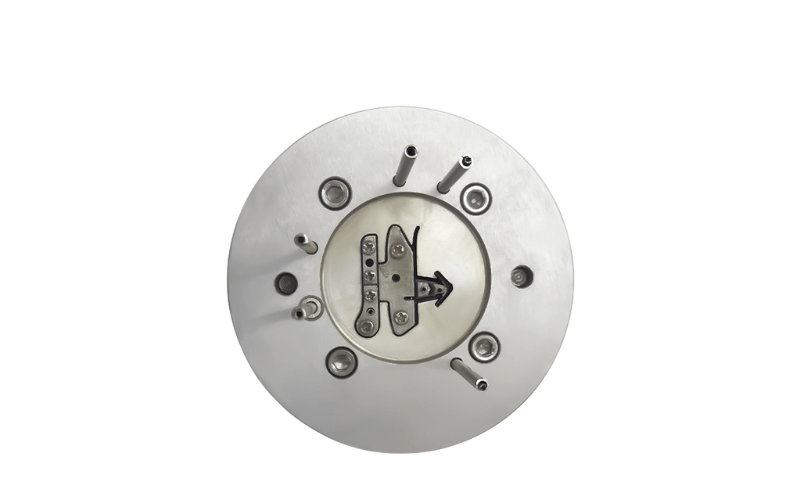
Methodology for Die Function Preservation
Adopting a regimented die stewardship plan secures macroscopic uniformity and quantifiable extrapolation of die service horizons. Compliant measures are as follows:
- Post-Run Soiling Elimination: Cyclic disengagement followed by fluid sheeting, followed by surface-neutral or catalytic flush suits modern thermic or viscous agents. Avoid deep physical skarring or coarse limit abrasives.
- Die Fidelity Assurance: Bi-axial laser-geometry, plottable hardness transects, and field-micro-etch match are decisive to guide cycle-, static-, and thermal critique. Replace electrodes offering <10% of start-dimension or surface-migration of haracterial duct.
- Surface Maintenance: Periodic die-surface polishing is essential to sustain laminar material flow and inhibit adhesive wear, a necessity for dies deployed in precision extrusion processes. Employ fine abrasives followed by a mirrored finish to achieve the required tribological performance.
- Environmental Control: Store dies in a controlled clean-room environment, maintaining relative humidity below 40 percent to mitigate corrosion. Protective VCI (Vapor Corrosion Inhibitor) bags, along with rigid storage racks, further diminish the risk of mechanical and electrochemical damage.
- Geometric Verification: Prior to the insertion of a die into the extrusion line, perform a comprehensive optical and mechanical verification of alignment and calibration against the extruder mandrel; this coplanarity check is vital for maintaining uniform mass flow and dimensional consistency across production lots.
The sustained application of these protocols markedly reduces unscheduled maintenance events and secures tighter tolerances, thereby enhancing the reliability of continual production.
Choosing the Right Spare Parts for Tooling
Selecting the right spare parts for extrusion tooling is crucial for maintaining efficiency and reducing operational disruptions. Consider the following factors when choosing spare parts:
- Material Compatibility: Ensure the spare parts are made from materials that can withstand the specific conditions of your extrusion process, such as high temperatures or abrasive materials.
- Precision and Fit: Choose parts that match the exact specifications of your equipment to ensure seamless integration and optimal performance.
- Durability: Invest in high-quality parts that offer long-term reliability, even under demanding conditions. This reduces the frequency of replacements and associated costs.
- Supplier Reliability: Work with reputable suppliers who provide certified parts and offer support for installation and troubleshooting.
- Inventory Management: Keep a stock of critical spare parts, such as die inserts and seals, to minimize downtime during unexpected repairs.
By selecting the right spare parts and maintaining a proactive approach to tooling care, manufacturers can ensure smooth and efficient extrusion operations.
Predictive Maintenance Strategies for Extrusion Equipment
Introduction to Predictive Maintenance
Predictive maintenance is a proactive approach that uses data and technology to monitor the condition of extrusion equipment and predict potential failures before they occur. Unlike reactive or scheduled maintenance, this strategy focuses on real-time insights to optimize equipment performance and reduce downtime.
By analyzing data from sensors and monitoring systems, predictive maintenance identifies early warning signs of wear, misalignment, or other issues. This allows manufacturers to address problems before they escalate, ensuring uninterrupted production and extending the lifespan of machinery.
Tools and Techniques for Predictive Maintenance
Implementing predictive maintenance requires the use of advanced tools and techniques to monitor and analyze equipment performance. Key methods include:
- Vibration Analysis: Sensors detect abnormal vibrations in components like motors, gearboxes, and screws, indicating potential issues such as misalignment or bearing wear.
- Thermal Imaging: Infrared cameras identify hotspots in electrical systems, heaters, or cooling units, helping to prevent overheating and component failure.
- Oil Analysis: Regular testing of lubricants reveals contamination or degradation, providing insights into the condition of moving parts like bearings and gearboxes.
- IoT Sensors: Internet of Things (IoT) devices collect real-time data on temperature, pressure, and speed, enabling continuous monitoring of equipment health.
- Machine Learning Algorithms: Advanced software analyzes historical and real-time data to predict failures and recommend maintenance actions.
These tools and techniques empower manufacturers to make data-driven decisions, improving the reliability and efficiency of extrusion equipment.
Benefits of Predictive Maintenance in Plastic Extrusion
Adopting predictive maintenance offers several advantages for plastic extrusion operations, including:
- Reduced Downtime: By addressing issues before they lead to equipment failure, predictive maintenance minimizes unplanned production stoppages.
- Cost Savings: Early detection of problems reduces repair costs and prevents expensive damage to critical components.
- Improved Product Quality: Consistently well-maintained equipment ensures uniform material flow and precise product dimensions, enhancing overall quality.
- Extended Equipment Lifespan: Regular monitoring and timely interventions prevent excessive wear and tear, prolonging the life of extrusion machinery.
- Enhanced Safety: Identifying potential hazards, such as overheating or electrical faults, reduces the risk of accidents and ensures a safer working environment.
By leveraging predictive maintenance strategies, manufacturers can achieve greater operational efficiency, lower costs, and improved product consistency, making it a valuable investment for the future of plastic extrusion.
Troubleshooting Common Extrusion Problems
Identifying Common Issues in Extrusion Processes
Extrusion processes can encounter several recurring issues that affect product quality and operational efficiency. Recognizing these problems early is key to minimizing downtime and waste. Common issues include:
- Inconsistent Product Dimensions: Variations in product thickness or diameter often result from fluctuations in material flow, improper die alignment, or inconsistent screw speed.
- Surface Defects: Problems like rough surfaces, bubbles, or burn marks can arise from material contamination, incorrect temperature settings, or inadequate cooling.
- Poor Mixing: Uneven distribution of additives or fillers leads to inconsistent material properties, often caused by worn screws or insufficient shear during processing.
- Clogging or Blockages: Material build-up in the die or barrel disrupts flow, leading to uneven extrusion or complete stoppages.
- Overheating: Excessive heat can degrade the material, causing discoloration, brittleness, or other defects in the final product.
Identifying these issues quickly allows operators to take corrective action and maintain production quality.
Effective Troubleshooting Techniques
Addressing extrusion problems requires a systematic approach to identify root causes and implement solutions. Effective troubleshooting techniques include:
- Check Temperature Settings: Ensure that barrel, die, and cooling zone temperatures are within the recommended range for the material being processed. Adjust as needed to prevent overheating or underheating.
- Inspect the Die and Screws: Look for signs of wear, misalignment, or material build-up. Clean or replace components as necessary to restore proper function.
- Monitor Material Quality: Verify that the raw material is free from contaminants and has consistent properties. Use pre-drying equipment if moisture is an issue.
- Adjust Screw Speed and Pressure: Fine-tune these parameters to ensure a steady material flow and avoid surges or inconsistencies.
- Analyze Cooling Systems: Check for blockages or inefficiencies in water baths, air blowers, or rollers that could affect product solidification and surface finish.
By following these steps, operators can resolve most extrusion issues efficiently and prevent recurring problems.
Using Copper Gauze in Troubleshooting
Copper gauze is a valuable tool for maintaining and troubleshooting extrusion equipment. Its unique properties make it ideal for cleaning and diagnosing issues without damaging sensitive components.
- Cleaning Screws and Barrels: Use copper gauze to remove material build-up and residue from screws and barrels. Its soft texture prevents scratches while effectively clearing debris.
- Die Maintenance: Gently clean die surfaces with copper gauze to eliminate blockages and ensure smooth material flow. This helps maintain consistent product dimensions and surface quality.
- Identifying Material Build-Up: Run copper gauze through the barrel to detect areas with excessive residue or blockages. This can pinpoint problem zones that require further attention.
Incorporating copper gauze into routine maintenance and troubleshooting practices ensures cleaner equipment, better performance, and fewer production interruptions.
Ensuring Product Quality through Maintenance
Impact of Maintenance on Product Quality
Maintenance plays a critical role in ensuring consistent product quality in extrusion processes. Well-maintained equipment operates efficiently, reducing the likelihood of defects and ensuring uniformity in the final product. Neglecting maintenance can lead to issues like uneven material flow, surface imperfections, and dimensional inaccuracies.
- Consistent Performance: Regular maintenance ensures that screws, barrels, and dies function optimally, maintaining steady material flow and proper mixing.
- Minimized Downtime: Proactive care reduces unexpected breakdowns, keeping production schedules on track and preventing rushed operations that can compromise quality.
- Extended Equipment Life: Properly maintained machinery delivers reliable performance over time, ensuring consistent product standards across multiple production cycles.
By prioritizing maintenance, manufacturers can achieve higher quality outputs and reduce waste caused by defective products.
Quality Control Measures in Extrusion
Quality control measures are essential for monitoring and maintaining product standards during the extrusion process. These measures ensure that every product meets the required specifications and performance criteria.
- Dimensional Checks: Use calipers, micrometers, or laser measurement systems to verify that product dimensions match the design specifications.
- Surface Inspections: Examine the product for defects like roughness, bubbles, or discoloration. Address any issues by adjusting temperature, pressure, or material quality.
- Material Testing: Conduct tests on raw materials and finished products to ensure they meet strength, flexibility, and durability requirements.
- Process Monitoring: Use sensors and automated systems to track key parameters like temperature, pressure, and screw speed in real-time, ensuring consistent operation.
- Sampling and Testing: Regularly take samples from production runs for detailed analysis, identifying any deviations early and making necessary adjustments.
Implementing these quality control measures ensures that extrusion processes consistently deliver high-quality products.
Linking Maintenance Practices to Quality Outputs
Effective maintenance practices directly influence the quality of extruded products by ensuring that equipment operates at peak performance. Key maintenance practices that impact quality include:
- Die Cleaning and Alignment: Regularly clean and align dies to prevent blockages and ensure uniform material flow, resulting in consistent product dimensions.
- Screw and Barrel Maintenance: Inspect and replace worn screws and barrels to maintain proper mixing and avoid material degradation.
- Cooling System Efficiency: Keep cooling systems clean and functional to ensure proper solidification and surface finish of the extruded product.
- Lubrication and Calibration: Regularly lubricate moving parts and calibrate equipment to maintain smooth operation and precise control over production parameters.
By linking these maintenance practices to quality control efforts, manufacturers can create a seamless process that consistently delivers products meeting the highest standards.
Frequently Asked Questions
Q: What is plastic extrusion maintenance?
A: Plastic extrusion maintenance involves regularly inspecting and servicing extrusion machinery to ensure smooth operation, reduce downtime, and maintain consistent product quality. Key tasks include checking the screw and barrel for wear, lubricating moving parts, and thoroughly cleaning the equipment to prevent material buildup.
Q: How can I reduce downtime in my extrusion line?
A: To reduce downtime, implement a regular maintenance schedule that includes inspecting critical components, cleaning the machine with compressed air, and checking for wear. Keep essential spare parts on hand for quick replacements, and train operators to identify early signs of equipment issues to address them promptly.
Q: What are the signs of wear on extrusion equipment?
A: Signs of wear on extrusion equipment include unusual noises, reduced output, inconsistent product quality, and visible damage to components like the screw, barrel, or bearings. Regularly inspecting these parts can help detect wear early and prevent further damage or production delays.
Q: Why is routine maintenance important for extrusion machines?
A: Routine maintenance is essential for extending the lifespan of extrusion machines, ensuring consistent product quality, and optimizing energy efficiency. Tasks like lubrication, cleaning, and inspecting components help prevent major breakdowns, reduce repair costs, and keep production running smoothly.
Q: What is the role of lubrication in plastic extrusion?
A: Lubrication reduces friction between moving parts, prevents corrosion, and ensures the smooth operation of extrusion machinery. Using the correct lubricants and anti-seize agents enhances efficiency, minimizes wear, and prolongs the lifespan of critical components like screws and bearings.
Q: How often should I inspect my extrusion equipment?
A: Inspect your extrusion equipment at least every six months, or more frequently if your production line operates under heavy loads or continuous use. Regular inspections help identify wear and tear early, ensuring the machinery remains in optimal condition and operates efficiently.
Q: What is the process for disassembly of tooling in extrusion machinery?
A: Disassembling tooling in extrusion machinery involves carefully removing the die and other components to access the screw and barrel. Follow the manufacturer’s guidelines and use the appropriate tools to avoid damaging parts during the process. Clean and inspect each component before reassembly.
Q: How can I maintain product quality during the extrusion process?
A: To maintain product quality, use the correct polymer compound, monitor operating conditions like temperature and pressure, and perform regular maintenance on the machine. Keep the working surface clean, use die soap to prevent material buildup, and ensure the die and screws are in good condition.
Q: What should I consider when replacing parts in an extrusion machine?
A: When replacing parts, ensure they are compatible with your equipment, meet quality standards, and align with your production requirements. Consult your supplier to confirm the parts are suitable for your machine model, and prioritize high-quality components to maintain performance and reliability.
Summary Conclusion
The sustained performance of plastic extrusion tooling and machinery is indispensable for securing operational efficacy, uniform product characteristics, and durable equipment life. Systematic preventive and scheduled maintenance actions—including comprehensive cleaning, accurate lubrication, and periodic inspection—effectively curtail unexpected machine downtime and lengthen the operational life of critical subsystems such as screws, barrels, and extrusion dies. The adoption of predictive maintenance, augmented by contemporary technologies including internet of things (IoT) sensors and non-contact thermal imaging surveys, furnishes operators with the capability to detect emerging anomalies at the incipient stage, consequently forestalling costly failure escalation. When maintenance activities are systematically integrated with product quality control protocols, fabricators achieve steadfast adherence to quality benchmarks whilst concurrently minimizing operational expenditure and material discard. Progressively advanced production environments will, therefore, render the incorporation of such maintenance paradigms not merely advisable, but imperative to preserving competitive standing and satisfying the intricate exigencies of prevailing industrial manufacture.


 English
  Portuguese
  Spanish
  Korean
  Russian
  German