


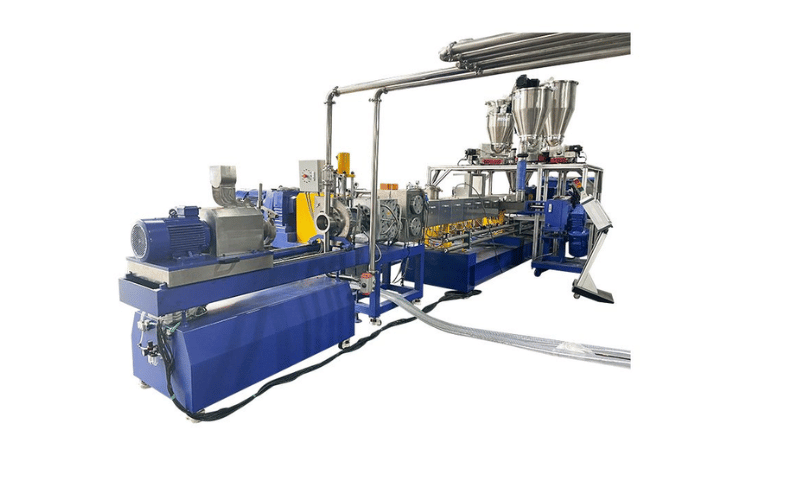
Pelletizing plays a critical role in polymer production, transforming molten polymers into uniform, manageable pellets that serve as the foundation for countless plastic products. This process ensures consistent material handling, storage, and downstream processing, making it a cornerstone of the plastics industry. However, not all pelletizing systems are created equal, and choosing the right one can significantly impact efficiency, product quality, and operational costs.
Selecting the right pelletizer requires a clear understanding of the available options and their unique strengths. Underwater pelletizers, strand pelletizers, and die-face pelletizers each cater to specific production needs, offering distinct advantages and limitations. For example, underwater pelletizers excel in high-output applications and handle heat-sensitive materials with precision, while strand pelletizers are better suited for simpler, lower-volume tasks.
To make sense of these options, this guide uses the MECE (Mutually Exclusive, Collectively Exhaustive) framework to provide a structured comparison. By breaking down the key differences and aligning them with your production goals, you can confidently choose the pelletizing system that best meets your needs. Whether you prioritize throughput, material versatility, or cost efficiency, understanding these systems ensures you make an informed decision.
Overview of Pelletizing Methods
Pelletizing methods vary widely, each tailored to specific production needs, material characteristics, and operational goals. Understanding the strengths and limitations of each method ensures you select the right system for your application. Let’s explore the key pelletizing methods and their unique capabilities.
Underwater Pelletizers
Underwater pelletizers are the workhorses of high-output operations. They excel in processing heat-sensitive materials like biodegradable polymers or engineered plastics. The system operates by cutting molten polymer strands directly at the die face, submerged in water. This immediate cooling prevents thermal degradation and ensures uniform pellet formation.
One of the standout features of underwater pelletizers is their inline drying system. After cooling, pellets pass through a centrifugal dryer, which removes water efficiently, leaving them ready for downstream processing. This method is ideal for large-scale production where consistent pellet quality and high throughput are critical.
Water Ring Pelletizers
Water ring pelletizers offer a cost-effective solution for medium-throughput applications. Like underwater systems, they cut polymer strands at the die face, but the cooling process occurs in a water ring rather than a fully submerged environment. This design simplifies the system and reduces operational costs.
Drying in water ring pelletizers is less intensive, relying on centrifugal force to remove surface moisture. While not as precise as underwater systems, this method works well for less demanding applications where cost efficiency takes priority.
Strand Pelletizers
Strand pelletizers are the go-to choice for small to medium production runs, especially when frequent color or material changes are required. In this method, polymer strands are extruded, cooled in a water bath, and then fed into a cutting unit. The simplicity of this process makes strand pelletizers easy to operate and maintain.
However, strand pelletizers require careful handling to avoid strand breakage, which can disrupt production. They are best suited for applications where flexibility and quick changeovers outweigh the need for high throughput or advanced drying capabilities.
Hot-Face Air-Cooled Pelletizers
Hot-face air-cooled pelletizers cater to moisture-sensitive materials like thermoplastic elastomers or certain engineered resins. Instead of water, these systems use air to cool and solidify the pellets immediately after cutting. This eliminates the need for drying and reduces energy consumption, making them an energy-efficient option.
These pelletizers are particularly useful in environments where water use is restricted or where moisture could compromise material properties. Their compact design and lower operational costs make them a practical choice for specific niche applications.
Pastillation and Drop Forming
Pastillation and drop forming are specialized pelletizing methods designed for materials like waxes, resins, or adhesives. These systems form droplets of molten material, which solidify as they cool on a conveyor belt or cooling plate.
While not suitable for high-throughput operations, pastillation and drop forming excel in producing uniform, high-quality pellets for specialty applications. Their precision and ability to handle unique materials make them indispensable in industries like chemicals and specialty polymers.
By understanding the nuances of each pelletizing method, you can align your system choice with your production requirements. Whether you prioritize throughput, material sensitivity, or cost efficiency, selecting the right method ensures consistent results and operational success.
Comparing different pelletizing methods
| Pelletizing Method | Key Features | Best Applications | Strengths | Limitations |
|---|---|---|---|---|
| Underwater Pelletizers | High throughput, fully submerged cutting, inline drying. | High-volume production, heat-sensitive materials, engineered plastics. | Produces uniform pellets, handles heat-sensitive polymers, efficient drying. | High initial investment, complex system requiring skilled operation. |
| Water Ring Pelletizers | Medium throughput, water ring cooling, centrifugal drying. | Standard thermoplastics, cost-sensitive operations. | Cost-effective, simpler design, moderate pellet quality. | Less precise cooling, generates slightly more fines. |
| Strand Pelletizers | Extruded strands cooled in water bath, then cut. | Small to medium runs, frequent material or color changes. | Flexible for small batches, quick changeovers, low upfront cost. | Prone to strand breakage, higher fines generation, labor-intensive. |
| Hot-Face Air-Cooled Pelletizers | Air-cooled cutting, no water required. | Moisture-sensitive materials, thermoplastic elastomers. | Eliminates water use, energy-efficient, compact design. | Limited throughput, not suitable for high-volume production. |
| Pastillation and Drop Forming | Droplets solidified on cooling plates or conveyors. | Specialty materials like waxes, adhesives, and resins. | Precision for specialty applications, high-quality pellets. | Low throughput, not suitable for general-purpose polymers. |
Key Comparisons
Choosing the right pelletizing method requires a clear understanding of how each system performs across critical factors like pellet quality, production efficiency, maintenance, and application flexibility. Let’s dive into these comparisons to help you make an informed decision tailored to your production needs.
Pellet Quality: Uniformity, Fines, and Dust
Pellet quality directly impacts downstream processing and final product performance. Underwater pelletizers lead the pack in producing highly uniform pellets with minimal fines and dust. Their immediate cooling and precise cutting at the die face ensure consistent pellet size and shape, making them ideal for high-end applications like engineered plastics or masterbatches.
Water ring pelletizers also deliver good pellet uniformity but may generate slightly more fines due to less precise cooling. Strand pelletizers, while effective for smaller runs, often struggle with uniformity if strand breakage occurs during processing. Hot-face air-cooled pelletizers, on the other hand, excel in moisture-sensitive applications but may produce more fines if the material flow isn’t carefully controlled.
Production Efficiency: Throughput and Process Stability
When it comes to throughput, underwater pelletizers dominate high-output operations. Their ability to handle large volumes of material with consistent process stability makes them the go-to choice for large-scale production. Water ring pelletizers offer moderate throughput and are well-suited for mid-sized operations where cost efficiency is a priority.
Strand pelletizers, while flexible, require careful monitoring to maintain process stability. Strand breakage can disrupt production, leading to downtime and reduced efficiency. Hot-face air-cooled pelletizers provide stable operation for niche applications but are not designed for high-throughput environments.
Maintenance and Costs: Initial Investment, Operating Costs, and Downtime
Maintenance and costs often play a decisive role in system selection. Underwater pelletizers require a higher initial investment due to their advanced design and inline drying systems. However, their durability and ability to minimize material waste often offset these costs over time.
Water ring pelletizers offer a more budget-friendly option with lower maintenance requirements, making them a practical choice for less demanding applications. Strand pelletizers, while affordable upfront, can incur higher operating costs due to frequent strand breakage and the need for manual intervention. Hot-face air-cooled pelletizers, with their simpler design, reduce maintenance complexity and energy costs, but their niche focus limits their broader applicability.
Application Flexibility: Polymer Types, Moisture Sensitivity, and Throughput Range
Application flexibility is where pelletizing systems truly differentiate themselves. Underwater pelletizers handle a wide range of polymers, including heat-sensitive and high-viscosity materials, making them highly versatile. Water ring pelletizers work well for standard thermoplastics but may struggle with more complex formulations.
Strand pelletizers excel in applications that require frequent material or color changes, offering quick and easy transitions. Hot-face air-cooled pelletizers are the best choice for moisture-sensitive materials, eliminating the need for water-based cooling and drying. However, their throughput range is limited compared to other systems, making them less suitable for large-scale operations.
By evaluating these key comparisons, you can align your pelletizing system with your production goals, material characteristics, and budget. Each method brings unique strengths to the table, and understanding these differences ensures you select the system that delivers the best results for your specific needs.
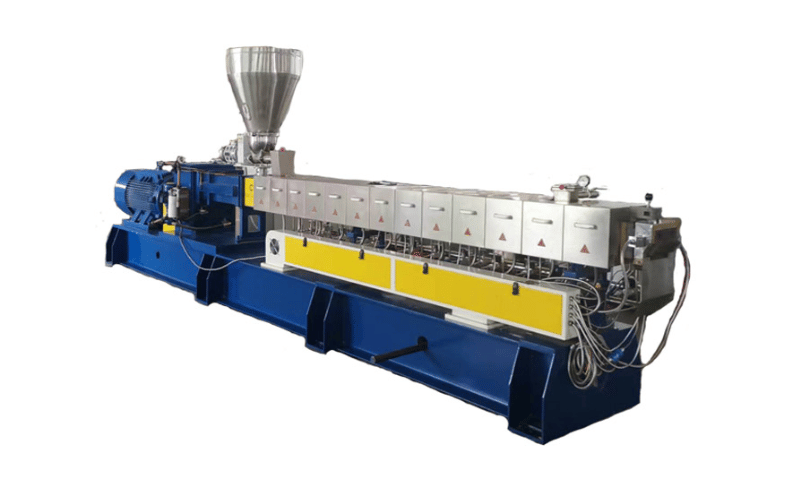
How to Choose the Right Pelletizer
Selecting the right pelletizer requires a thorough evaluation of your material properties, production needs, budget, and application requirements. Each factor plays a critical role in ensuring your system aligns with your operational goals and delivers consistent, high-quality results. Let’s break these considerations down in detail.
Material Properties: Viscosity, Thermal Sensitivity, and Moisture Resistance
The characteristics of your material should guide your choice of pelletizer. High-viscosity polymers, such as heavily filled compounds or elastomers, require robust systems like underwater pelletizers that can handle the material’s flow and cooling requirements without compromising pellet quality.
Thermal sensitivity is another key factor. Materials like biodegradable polymers or certain engineered plastics require precise cooling to prevent degradation. Underwater pelletizers excel here, as their immediate cooling process minimizes thermal stress. For moisture-sensitive materials, hot-face air-cooled pelletizers eliminate water from the equation entirely, ensuring the material’s properties remain intact.
Moisture resistance also matters when processing hydrophilic materials. Strand pelletizers, for instance, may struggle with consistent drying, resulting in quality issues. In such cases, systems with advanced drying capabilities, like underwater or water ring pelletizers, provide better results.
Production Needs: High-Volume vs. Small-Batch Production
Your production scale significantly influences the type of pelletizer you need. For high-volume operations, underwater pelletizers offer unmatched throughput and process stability, making them ideal for large-scale manufacturing. Water ring pelletizers provide a middle ground, efficiently handling moderate volumes without the complexity of underwater systems.
For small-batch production or frequent material changes, strand pelletizers shine. Their straightforward design allows for quick transitions, reducing downtime and material waste. However, they may not meet the demands of high-output environments, where consistency and speed are critical.
Budget Considerations: Balancing Initial Investment with Operational Costs
Budget constraints often dictate the selection process for pelletizers. While underwater pelletizers require a higher initial investment, their long-term operational efficiency and ability to minimize material waste often justify the cost for large-scale operations.
Water ring pelletizers offer a more affordable alternative, balancing upfront costs with reasonable performance for mid-sized applications. Strand pelletizers, with their lower initial cost, appeal to operations with tight budgets, but their higher maintenance needs can increase long-term expenses. Hot-face air-cooled pelletizers, although niche, offer cost savings in energy and maintenance for specific applications, such as those involving moisture-sensitive materials.
When evaluating costs, consider not only the purchase price but also the operational savings, maintenance requirements, and potential for reducing material waste.
Application Requirements: Specific Industries or Product Characteristics
Your industry and product characteristics should also influence your choice of pelletizer. For example, underwater pelletizers are indispensable in industries such as automotive and packaging, where high-quality, uniform pellets are crucial for downstream processing.
Water ring pelletizers are generally well-suited for use in applications involving standard thermoplastics, such as those used in consumer goods. Strand pelletizers cater to industries that require frequent material or color changes, such as those involved in masterbatch production or specialty compounding. Hot-face air-cooled pelletizers, with their focus on moisture-sensitive materials, are ideal for applications like thermoplastic elastomers or specialty resins.
By aligning your pelletizer choice with your material properties, production scale, budget, and application needs, you can ensure your system delivers consistent performance and meets your operational goals. Each pelletizer type brings unique strengths to the table, and understanding these nuances allows you to make a decision that drives efficiency and product quality.
Troubleshooting Common Issues
Even the most advanced pelletizing systems can encounter challenges that disrupt production or compromise pellet quality. Identifying the root cause of these issues and addressing them promptly ensures smooth operation and consistent results. Below, I’ll walk you through some common problems and their solutions.
Poor Cut or Long Tails
When pellets have irregular shapes or long tails, the issue often lies in the cutting system. Begin by inspecting the knives for signs of wear or damage. Dull knives struggle to make clean cuts, leading to uneven pellets. Replace or sharpen the blades as needed to restore cutting precision.
The temperature also plays a critical role. If the die is too cold, the polymer may not flow evenly, resulting in poor cuts. Ensure the die temperature is within the recommended range for your material. Additionally, check the water flow rate. Insufficient water flow can cause uneven cooling, which affects the cutting process. Adjust the flow to maintain consistent cooling across the die face.
Excess Fines or Dust
Excess fines or dust can compromise pellet quality and create downstream processing issues. The knife-die gap is often the culprit. If the gap is too wide, the knives won’t cut cleanly, generating fines. Adjust the gap to ensure the knives make precise contact with the die face.
A speed mismatch between the cutter and the extruder can also lead to fines. If the cutter speed is too high or too low relative to the extruder output, it can create uneven cuts and generate dust. Synchronize the cutter speed with the extruder to maintain a consistent pellet size and minimize fines.
Wet Pellets After Drying
Wet pellets exiting the drying system indicate inefficiencies in the drying process. An undersized dryer may struggle to handle the pellet throughput, leaving excess moisture on the pellets. Evaluate your dryer’s capacity and upgrade if necessary to match your production volume.
High water temperature in the cooling system can also contribute to wet pellets. If the water isn’t cool enough, it won’t effectively solidify the pellets, making it harder for the dryer to remove moisture. Monitor and adjust the water temperature to ensure proper cooling before drying.
By addressing these common issues with targeted solutions, you can maintain consistent pellet quality and minimize production disruptions. Regular system checks and proactive maintenance go a long way in preventing these problems from escalating, keeping your operation running smoothly.
Decision Framework
Choosing the right pelletizing system requires a structured approach to ensure it aligns with your production goals, material characteristics, and operational constraints. A clear decision framework helps you evaluate options systematically and make an informed choice. Let’s break this process into three actionable steps.
Define Constraints: Throughput, Polymer Range, Moisture Limits
Start by identifying the key constraints of your operation. Throughput is often the first consideration—determine the volume of material you need to process per hour and ensure the pelletizer can handle this capacity without compromising quality or stability. For high-output operations, underwater pelletizers are typically the best fit, while strand or water ring pelletizers may suffice for smaller-scale production.
Next, evaluate the range of polymers you plan to process. If your operation involves heat-sensitive materials like biodegradable polymers or engineered plastics, prioritize systems with precise temperature control, such as underwater or hot-face air-cooled pelletizers. For standard thermoplastics, water ring or strand pelletizers may provide a more cost-effective solution.
Moisture limits are equally critical. If your material is moisture-sensitive, such as thermoplastic elastomers, avoid water-based systems and opt for hot-face air-cooled pelletizers. For other materials, ensure the pelletizer includes adequate drying capabilities to meet your moisture specifications.
Score Each Technology: Fit for Polymer, Quality Targets, Cost of Ownership
Once you’ve defined your constraints, score each pelletizing technology based on its fit for your specific needs. Assess how well each system handles your polymer types, meets your quality targets, and aligns with your budget.
For example, underwater pelletizers score high for uniform pellet quality and versatility but come with a higher cost of ownership due to their advanced design and maintenance requirements. Strand pelletizers, while more affordable upfront, may score lower for quality consistency and throughput. Water ring pelletizers strike a balance between cost and performance, making them a strong contender for mid-range applications.
Consider long-term operational costs, including energy consumption, maintenance, and material waste. A system with a higher initial investment may offer better value over time if it reduces downtime and improves efficiency.
Validate with Trials: Test Systems, Verify Dryer Sizing, Confirm Maintenance Plans
Before making a final decision, validate your choice through trials. Testing the pelletizer with your specific materials and production parameters provides invaluable insights into its performance. Pay close attention to pellet quality, throughput consistency, and ease of operation during the trial phase.
Verify that the dryer is appropriately sized for your throughput and material characteristics. An undersized dryer can lead to wet pellets and production bottlenecks, while an oversized dryer may waste energy. Confirm that the system’s drying capabilities align with your moisture limits.
Finally, review the maintenance requirements of the system. Ensure that replacement parts are readily available and that your team is equipped to handle routine maintenance tasks. A well-maintained pelletizer minimizes downtime and extends the system’s lifespan, maximizing your return on investment.
By following this decision framework, you can confidently select a pelletizing system that meets your operational needs, delivers consistent quality, and supports long-term efficiency. A structured approach ensures you make a choice that aligns with both your immediate goals and future growth.
FAQs
Q: What are the main differences between underwater pelletizers and water ring pelletizers?
A: Underwater pelletizers handle high-throughput applications and heat-sensitive materials with precision, thanks to their fully submerged cutting and advanced drying systems. Water ring pelletizers, on the other hand, are more cost-effective and suited for medium-throughput operations. They use a water ring for cooling, which simplifies the system but may not provide the same level of pellet uniformity or cooling efficiency as underwater systems.
Q: When should a strand pelletizer be chosen over an underwater system?
A: Choose a strand pelletizer for small to medium production runs or when frequent material or color changes are required. Strand pelletizers offer quick changeovers and lower upfront costs, making them ideal for operations with diverse product lines. However, they are less suitable for high-throughput or heat-sensitive applications, where underwater systems excel.
Q: How do underwater pelletizers affect pellet moisture and drying needs?
A: Underwater pelletizers minimize pellet moisture by integrating a centrifugal dryer into the system. This ensures efficient water removal immediately after cooling. Properly sized dryers and optimized water flow rates further reduce moisture levels, making underwater systems highly effective for applications with strict moisture requirements.
Q: What knife materials work best for filled or abrasive compounds?
A: For filled or abrasive compounds, use knives made from tungsten carbide or other wear-resistant materials. These materials withstand the increased wear caused by fillers like glass fibers or minerals, ensuring consistent cutting performance and longer knife life.
Q: How do you size the water system for underwater pelletizers?
A: Size the water system based on the pelletizer’s throughput and material cooling requirements. Calculate the water flow rate needed to maintain consistent cooling and ensure the water temperature stays within the recommended range for your material. Oversized systems waste energy, while undersized systems risk uneven cooling and poor pellet quality.
Q: Can air-cooled die-face systems handle hygroscopic resins?
A: Air-cooled die-face systems are not ideal for hygroscopic resins, as they lack the ability to remove moisture effectively. For these materials, consider underwater or water ring pelletizers with integrated drying systems to ensure proper moisture control.
Q: What are typical maintenance intervals for die plates and knives?
A: Inspect die plates and knives regularly, with intervals depending on material type and production volume. For abrasive or filled materials, check weekly for wear or damage. For standard thermoplastics, monthly inspections may suffice. Replace knives and resurface die plates as needed to maintain cutting precision and pellet quality.
Q: How does pelletizer choice impact fines generation and dust control?
A: Pelletizer choice significantly affects fines and dust levels. Underwater pelletizers produce minimal fines due to precise cutting and immediate cooling. Strand pelletizers, however, may generate more fines if strand breakage occurs. Proper knife-die alignment and speed synchronization help control fines in all systems.
Q: What are common start-up issues and how are they prevented?
A: Common start-up issues include uneven pellet cuts, strand breakage, and poor cooling. Prevent these by preheating the die to the correct temperature, ensuring proper water flow, and synchronizing cutter speed with extruder output. Conducting a thorough system check before start-up minimizes disruptions.
Q: How do you compare total cost of ownership across pelletizing systems?
A: Compare total cost of ownership by evaluating initial investment, operational costs, maintenance requirements, and material waste. While underwater pelletizers have higher upfront costs, their efficiency and ability to reduce waste often lower long-term expenses. Strand pelletizers may cost less initially but can incur higher maintenance and downtime costs. Factor in energy consumption and replacement part availability to make a comprehensive comparison.
Conclusion
Each pelletizer type offers unique strengths and weaknesses. Underwater pelletizers excel in high-throughput and heat-sensitive applications but require a higher initial investment. Water ring pelletizers balance cost and performance for medium-scale operations, while strand pelletizers provide flexibility for small-batch production but may struggle with consistency. Hot-face air-cooled systems cater to moisture-sensitive materials but have limited throughput capabilities. Align your choice with your specific production needs and material properties to ensure optimal performance. Define your operational requirements, create a shortlist of suitable systems, and schedule trials to validate your decision and achieve the best results.


 English
  Portuguese
  Spanish
  Korean
  Russian
  German