


Thermoplastic Vulcanizates (TPV) are advanced composite materials whereby the elasticity of rubber is blended with the yield of plastic materials. This gives it unique advantages for the automotive, construction and consumer goods industries. Their specific advantages make them indispensable for these industries. TPVs are produced through dynamic vulcanization, and this allows the materials to maintain exceptional durability and flexibility. This guide explains the basic production process of TPVs, paying particular attention to the twin screw extruder and compounding processes. Also, the guide explains the benefits of TPVs in different applications. This is helpful for those venturing into TPV production and those looking to optimize their production lines. This guide provides information on production efficiency and quality.
Introduction to TPV and Twin Screw Extrusion
What is TPV?
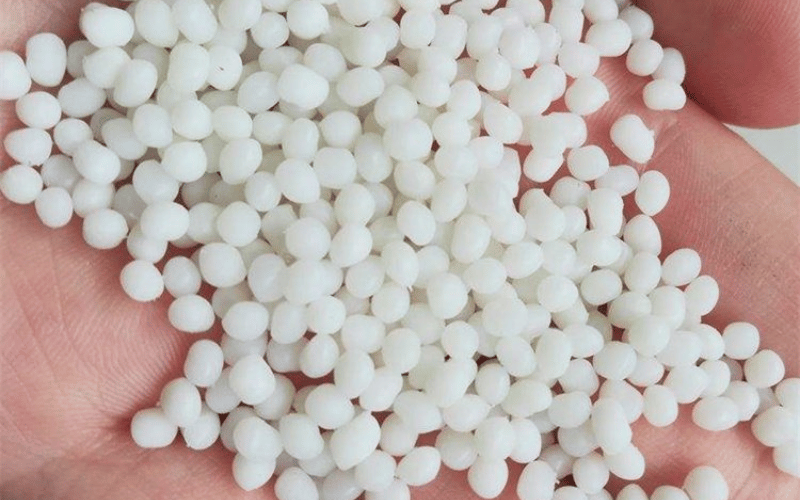
Thermoplastic Vulcanizates (TPVs) are a specific subclass of Thermoplastic Elastomers (TPEs) that merge the features of rubber and thermoplastic. It undergoes dynamic vulcanization, which is the finely dispersed rubber particles dispersed in thermoplastic. This distinct structure provides TPVs excellent Toughness, Flexibility, and Tear resistance as well as heat and chemical resistance rise. This makes them suitable for critical applications, for example automotive seal, gaskets and hoses.
Overview of Twin Screw Extruders
Twin screw extruders are sophisticated pieces of equipment used for the efficient mixing, melting, and shaping of materials such as TPVs. In contrast to single-screw extruders, twin screw models have two intermeshing screws which may rotate in the same direction (co-rotating) or in opposite directions (counter-rotating). These machines are indispensable in processes that need accurate blending of modifiers, such as additives, fillers, or reinforcements into the base material.
Key advantages of twin screw extruders include:
- Superior Mixing: Their design ensures thorough dispersion of rubber particles and additives in TPVs.
- Process Flexibility: They can handle a wide range of materials and formulations, making them versatile for various industries.
- High Output: Twin screw extruders are capable of producing large volumes of TPVs efficiently.
Importance of Compounding in TPV Processing
Compounding is an essential stage in the production of TPVs, as it influences the characteristics and functionality of the material. In this phase, the base polymers, rubber, and additives such as stabilizers, colorants, and processing aids are blended in a twin screw extruder. The dynamic vulcanization happens in the extruder, where heat and shear forces suffice to generate the requisite dispersion of rubber particles.
The benefits of effective compounding include:
- Enhanced Material Properties: Proper mixing ensures consistent elasticity, strength, and chemical resistance in the TPV.
- Customizable Formulations: Compounding allows manufacturers to tailor TPVs for specific applications, such as high-temperature resistance or improved flexibility.
- Process Efficiency: Using a twin screw extruder for compounding reduces material waste and ensures uniform quality across batches.
Components of a Twin Screw Extruder
Screw Design and Configuration
The screws in a twin screw extruder are the heart of the machine, playing a critical role in material processing. Their design and configuration directly impact the mixing, melting, and conveying of materials like TPVs or TPEs. Key aspects include:
- Screw Elements: These are modular and can be customized for specific tasks, such as conveying, kneading, or mixing. For example, kneading blocks are used to enhance material dispersion.
- Screw Diameter and Length: The ratio of screw length to diameter (L/D ratio) affects the residence time and mixing efficiency. A higher L/D ratio provides better mixing but requires more energy.
- Intermeshing Screws: Twin screws can be co-rotating (same direction) or counter-rotating (opposite directions). Co-rotating screws are ideal for high-shear mixing, while counter-rotating screws are better for delicate materials.
Extruder Machine Components
A twin screw extruder consists of several key components that work together to process materials efficiently:
- Hopper: This is where raw materials, such as pellets or powders, are fed into the machine. Some hoppers include feeders for precise dosing of additives.
- Barrel: The barrel houses the screws and provides the environment for heating, mixing, and conveying materials. It is divided into zones with independent temperature controls.
- Drive System: This powers the screws, controlling their speed and torque to ensure consistent material flow.
- Heating and Cooling Systems: These regulate the temperature within the barrel, preventing material degradation and ensuring optimal processing conditions.
- Die: The die shapes the processed material into the desired form, such as strands or sheets, before it exits the extruder.
Pelletizing System in Twin Screw Extrusion
The pelletizing system is a crucial part of twin screw extrusion, converting the processed material into uniform pellets for easy handling and further use. Common pelletizing methods include:
- Hot Die Face Pelletizing: The molten material is cut into pellets immediately as it exits the die. This method is efficient and produces smooth, uniform granules.
- Strand Pelletizing: The material is extruded into strands, cooled in a water bath, and then cut into pellets. This technique is ideal for materials requiring precise pellet size and shape.
- Underwater Pelletizing: The material is cut into pellets while submerged in water, which cools and solidifies them simultaneously. This method is often used for high-output production.
Each pelletizing system is chosen based on the material properties and the specific requirements of the application.
TPV Compounding Process
Understanding the Compounding Line
The compounding line serves as the backbone of the TPV production process, for it is in this section where the raw materials are blended, melted, and dynamically vulcanized to obtain high-performance compounds. It is comprised of a twin screw extruder, feeders for precise dosage, and cooling and pelletizing downstream equipment. The twin screw extruder is critical to achieving the one of a kind properties of TPVs as it makes certain that the mixing and dispersion of rubber particles within the thermoplastic matrix is comprehensive. Each stage of the line is carefully managed to guarantee quality and performance consistency.
Role of Masterbatch in TPV Compounding
Masterbatch plays a vital role in the TPV compounding process by introducing additives, colorants, or reinforcements in a concentrated form. It simplifies the production process by ensuring even distribution of these components without the need for direct handling of raw additives. For example:
- Color Masterbatch: Adds consistent color to the TPV without affecting its properties.
- Additive Masterbatch: Enhances specific characteristics, such as UV resistance, flame retardancy, or thermal stability.
Using masterbatch not only improves efficiency but also ensures uniformity in the final product, reducing the risk of defects or inconsistencies.
Utilizing TPE and Other Materials
In TPV compounding, Thermoplastic Elastomers (TPEs) and other materials are combined to achieve the desired balance of flexibility, durability, and processability. TPE serves as the thermoplastic matrix, providing the base structure for the compound. Other materials used in the process include:
- Rubber: Typically EPDM (Ethylene Propylene Diene Monomer) rubber is dynamically vulcanized to create the elastic phase of the TPV.
- Fillers: Materials like talc or calcium carbonate are added to enhance stiffness or reduce costs.
- Processing Aids: These improve the flow and processability of the compound during extrusion.
By carefully selecting and blending these materials, manufacturers can tailor TPVs for specific applications, such as automotive seals, medical devices, or industrial gaskets.
Applications of TPV Twin Screw Extruders
Industrial Applications of TPV
TPVs (Thermoplastic Vulcanizates) are manufactured using twin screw extruders which makes them suited for industrial applications because of their flexibility, durability, and chemical resistance. They are essential in manufacturing gaskets, seals, and hoses which TPVs have to perform extremely well in rigorous industrial environments. TPVs are produced according to industrial precision requirements, which makes their use in tailored industrial applications highly common. For instance, TPVs are oil-resistant seals for machinery and weatherproof gaskets in construction.

TPV in Automotive and Consumer Products
The automotive and consumer goods sectors are among the largest users of TPVs, thanks to their lightweight, recyclable, and versatile nature. In the automotive industry, TPVs are used for:
- Weather Seals: Providing flexibility and durability in extreme temperatures.
- Hoses and Tubing: Offering resistance to oils and chemicals.
- Interior Components: Adding a soft-touch feel to dashboards and trims.
In consumer products, TPVs are found in items like:
- Appliance Seals: Ensuring airtight closures in refrigerators and washing machines.
- Grips and Handles: Providing comfort and slip resistance in tools and utensils.
- Wearables: Offering skin-friendly, flexible materials for fitness bands and medical devices.
Benefits of Using TPV in Various Industries
TPVs offer several advantages that make them a preferred material across industries:
- Recyclability: Unlike traditional rubber, TPVs can be reprocessed, reducing waste and supporting sustainability goals.
- Lightweight: Their lower density compared to rubber helps reduce the overall weight of products, especially in automotive applications.
- Cost-Effectiveness: TPVs combine the properties of rubber and plastic, eliminating the need for separate materials and reducing production costs.
- Durability: They resist wear, tear, and environmental factors like UV exposure, ensuring long-lasting performance.
- Customizability: TPVs can be tailored with additives and fillers to meet specific application requirements, from high-temperature resistance to enhanced flexibility.
Advantages of Twin Screw Extrusion
Efficiency in Plastic Extrusion
The twin screw extrusion method offers unparalleled efficacy when processing elastomers and plastics. The intermeshing screws give better mixing and melting, guaranteeing consistent material uniformity. This level of efficiency reduces production time and waste, which is important in mass production. Furthermore, twin screw extruders are equipped with control instruments that enable accurate measurement of temperature, pressure, and screw rotation speed which allows for processing of the most intricate recipes.
Flexibility in Processing Different Materials
The versatility in the types of materials processed by twin screw extrusion is one of its foremost benefits. Thermoplastic Vulcanizates (TPVs) and Thermoplastic Elastomers (TPEs) can be processed by twin screw extruders since they handle materials of different viscosities and compositions. They also work well for the addition of modifiers, fillers, and reinforcements, allowing the production of tailored compounds for particular uses. Because of this versatility, twin screw extruders are indispensable in industries differing from automotive to consumer goods.
Comparison with Single Screw Extruders
Twin screw extruders outperform single screw extruders in several critical areas:
- Mixing Capability: Twin screws provide better mixing and dispersion, especially for materials requiring additives or complex formulations.
- Process Control: Twin screw extruders offer more precise control over processing parameters, resulting in consistent product quality.
- Material Versatility: While single screw extruders are limited to simpler materials, twin screw extruders can handle a broader range of polymers and blends.
- Output Efficiency: Twin screw extruders achieve higher throughput rates, making them more suitable for large-scale production.
While single screw extruders are simpler and more cost-effective for basic applications, twin screw extruders are the preferred choice for advanced processing needs.
Challenges and Solutions in TPV Processing
Common Challenges in Twin Screw Compounding
Processing Thermoplastic Vulcanizates (TPVs) using twin screw extruders can present several challenges that impact efficiency and product quality. Some of the most common issues include:
- Material Inconsistencies: Variations in raw material quality can lead to uneven mixing or poor dispersion of rubber particles within the thermoplastic matrix.
- Overheating: Excessive heat during compounding can degrade the material, affecting its elasticity and durability.
- Die Swell: TPVs can expand slightly after exiting the die, leading to dimensional inaccuracies in the final product.
- Wear and Tear: The high shear forces in twin screw extruders can cause wear on screws and barrels, reducing equipment lifespan and performance.
Innovative Solutions for Enhanced Performance
To address these challenges, manufacturers are adopting innovative solutions that improve the efficiency and reliability of TPV processing:
- Advanced Material Testing: Regular testing of raw materials ensures consistent quality, reducing the risk of defects during compounding.
- Optimized Screw Design: Customizing screw elements for specific TPV formulations enhances mixing and minimizes overheating.
- Temperature Control Systems: Modern extruders feature precise temperature controls to prevent material degradation and maintain consistent processing conditions.
- Wear-Resistant Components: Using durable materials for screws and barrels extends the lifespan of the equipment and reduces maintenance costs.
- Real-Time Monitoring: Sensors and AI-driven systems provide real-time data on process parameters, enabling quick adjustments to maintain product quality.
Future Trends in TPV Extrusion Technology
The future of TPV extrusion technology is focused on sustainability, efficiency, and advanced automation. Emerging trends include:
- Recyclable TPVs: Innovations in material science are leading to TPVs that are easier to recycle, aligning with global sustainability goals.
- Smart Extrusion Systems: AI and IoT-enabled extruders are becoming more common, offering real-time monitoring and predictive maintenance to reduce downtime.
- Energy-Efficient Designs: Manufacturers are developing extruders with lower energy consumption, reducing operational costs and environmental impact.
- 3D Extrusion: Combining extrusion with 3D printing technology is opening up new possibilities for creating complex, customized TPV products.
Frequently Asked Questions
Q: What is a TPV twin screw extruder?
A: A TPV twin screw extruder is a specialized machine designed to process thermoplastic vulcanizates (TPVs). It uses two intermeshing screws to efficiently mix and extrude polymers, elastomers, and additives, producing high-quality TPV materials for applications like automotive components and industrial seals.
Q: How does the extrusion process work in a twin screw extruder?
A: In a twin screw extruder, raw materials such as thermoplastics and fillers are fed into the hopper. The screws convey the materials through the barrel, where they are heated, mixed, and melted. The molten material is then shaped into a continuous strand, ensuring consistent quality and desired properties in the final TPV products.
Q: What are the advantages of using a twin screw extruder for TPV processing?
A: Twin screw extruders provide superior mixing, precise control of screw speeds, and efficient incorporation of additives and fillers. Their design supports better thermal management and dynamic vulcanization, resulting in improved product quality, processability, and production efficiency.
Q: What types of materials can be processed with a twin screw extruder?
A: Twin screw extruders can process a variety of materials, including thermoplastics like polypropylene (PP), polyethylene (PE), and polyvinyl chloride (PVC). They are also ideal for thermoplastic elastomers (TPEs), thermoplastic vulcanizates (TPVs), and other polymers, enabling the production of diverse products with tailored properties.
Q: What is the significance of screw design in a twin screw extruder?
A: Screw design is critical for optimizing the extrusion process. Intermeshing screws enhance mixing and material transport, while specific configurations can be customized to meet processing requirements. Adjusting screw geometry impacts torque, temperature control, and overall product quality.
Q: How does the pelletizing system work in a TPV production line?
A: The pelletizing system cools and cuts extruded strands into uniform pellets. Methods like water ring or underwater pelletizing are used based on the desired pellet characteristics. This process ensures the pellets meet the required properties for further applications.
Q: What role do additives play in the production of TPVs?
A: Additives enhance TPV properties during extrusion by improving hardness, flexibility, thermal stability, and other performance characteristics. Common additives include fillers, colorants, and processing aids, which help achieve the desired quality in the final product.
Q: How do suppliers ensure the quality of TPV materials?
A: Suppliers maintain TPV quality through rigorous testing and quality control measures. They monitor extrusion parameters, test mechanical and thermal properties, and ensure consistency in raw materials. Reliable control systems are essential for delivering high-quality TPV products.
Conclusion
TPVs are an advanced technology as they possess a unique blend of elastic rubber and plastic blend like the materials’ processability. Thermoplastic Vulcanizates are steadily becoming a staple material used for high-performance applications. The twin screw extrusion method helps in maintaining the consistent reliability, efficient production, customizability, and specific requirement needs of TPVs. Also, with the evolution of the industry, the advancement of the TPV manufacturing processes are expected to enhance them further. These innovations in their design focus suspended TPVs, extrusion systems that are smart, and energy efficient systems that TPV manufacturing systems need. Compounding and modifying the processes to master them can allow manufacturers to use them along with the other advantages to help them meet the high demand for them.


 English
  Portuguese
  Spanish
  Korean
  Russian
  German