


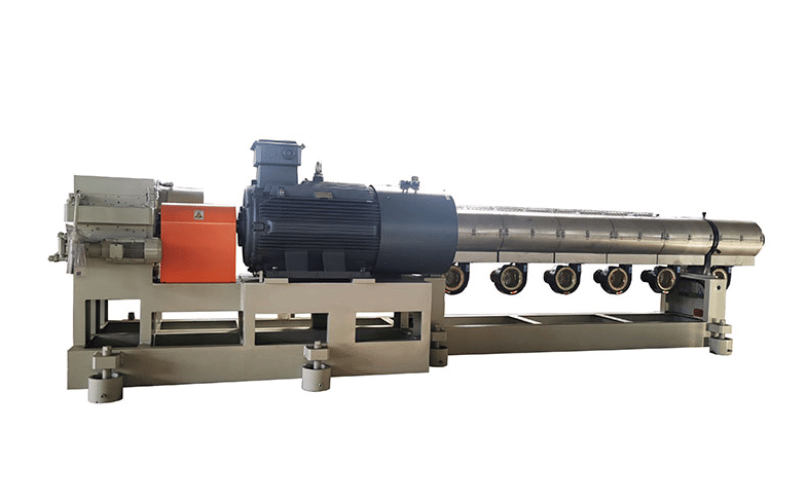
Twin Screw Extruders (TSEs) play a pivotal role in industries like polymer processing, compounding, and food production. These machines are designed to handle complex tasks, such as mixing, kneading, and conveying materials, making them indispensable for high-precision manufacturing. Their versatility and efficiency have made them a cornerstone of modern production lines.
However, the mechanical intricacy of TSEs demands regular attention. With multiple interlocking screws, high torque requirements, and precise temperature controls, these systems are prone to wear and tear. Neglecting maintenance can lead to costly downtime, reduced product quality, and even equipment failure. Operators and maintenance teams must stay vigilant to ensure these machines perform at their peak.
This article aims to shed light on the most common operational and mechanical issues that affect Twin Screw Extruders. By understanding these challenges, operators can take proactive steps to prevent problems, troubleshoot effectively, and maximize uptime. Whether you’re a seasoned technician or new to TSE maintenance, this guide will provide actionable insights to keep your equipment running smoothly and efficiently.
Table of Contents
ToggleSection 1: Mechanical and Component Failure in Twin Screw Extruders
Twin Screw Extruders (TSEs) are the workhorses of polymer processing, compounding, and food production. However, like any high-performance machine, they are not immune to mechanical failures. These failures often stem from physical wear, stress, and the degradation of essential components. Understanding these issues is the first step toward preventing costly downtime and ensuring optimal performance. Let’s dive into the most common mechanical challenges and how to address them effectively.
Screw Element Wear and Misalignment
The screw elements in a TSE are the heart of the machine, tirelessly working to mix, knead, and convey materials. But even the hardest-working components have their limits.
Problem: Gradual erosion of screw elements (paddles and kneading blocks) due to abrasive materials.
Over time, abrasive fillers, fibers, and other materials wear down the screw elements. This erosion reduces the precision of material mixing and compromises throughput. The result? Inconsistent product quality and a noticeable drop in efficiency.
Solution: Regularly inspect screw elements for signs of wear, such as thinning or uneven surfaces. Replace worn elements promptly to maintain performance. Opt for wear-resistant materials, like tungsten carbide coatings, for high-abrasion applications.
Problem: Screw misalignment or shaft breakage.
Misaligned screws or broken shafts can wreak havoc on your extruder. Excessive torque, unbalanced feed rates, or improper assembly are often the culprits. When screws are misaligned, they can grind against the barrel, causing severe damage to both the barrel and the gearbox.
Solution: Always follow the manufacturer’s torque and assembly guidelines. Use precision alignment tools during installation to ensure proper positioning. Monitor torque levels during operation and address feed rate imbalances immediately to prevent overloading.
Barrel and Liner Degradation
The barrel and its liners are the unsung heroes of the extruder, enduring constant friction and heat. But even heroes have their breaking points.
Problem: Internal surface wear on the extruder barrel or its liners.
Continuous contact with solid particles, such as fillers and fibers, gradually wears down the barrel’s internal surface. This wear disrupts heat transfer, leading to inefficient temperature control and increased power consumption.
Solution: Conduct routine inspections of the barrel’s interior for signs of wear, such as grooves or pitting. Replace liners as needed to restore the barrel’s integrity. For high-wear applications, consider using bimetallic barrels with enhanced durability.
Problem: Barrel temperature control system failure.
Heating elements and cooling channels are critical for maintaining precise temperature zones. When these systems fail, thermal degradation of the processed material becomes a serious risk.
Solution: Regularly test heating elements and cooling channels for functionality. Clean cooling channels to prevent blockages and ensure efficient heat exchange. Replace faulty heating elements immediately to avoid temperature fluctuations.
Gearbox and Drive Train Issues
The gearbox and drive train are the backbone of your extruder, transferring power and torque to the screws. When these components falter, the entire system suffers.
Problem: Bearing failure within the gearbox.
Contaminated oil, inadequate lubrication, or high operational loads can lead to bearing failure. Warning signs include excessive noise, vibration, and elevated oil temperatures.
Solution: Implement a strict lubrication schedule using high-quality, manufacturer-recommended oils. Regularly monitor oil cleanliness and replace it if contamination is detected. Use vibration analysis tools to identify early signs of bearing wear.
Problem: Torque limitation clutch issues.
The torque limitation clutch is a safeguard against sudden torque spikes, such as those caused by solid feed blockages. When the clutch slips prematurely or fails to disengage, it compromises the gearbox’s protection.
Solution: Inspect the clutch regularly for wear and proper calibration. Test its functionality by simulating torque spikes under controlled conditions. Replace worn clutch components to ensure reliable performance.
By addressing these mechanical and component failures proactively, you can extend the lifespan of your Twin Screw Extruder and maintain consistent production quality. In the next section, we’ll explore operational challenges and how to overcome them to further optimize your extruder’s performance.
Section 2: Material and Process-Related Problems
Twin Screw Extruders (TSEs) are precision instruments, but their performance hinges on the delicate interplay between material properties, thermal conditions, and feed systems. When these elements fall out of balance, the extruder’s efficiency and product quality can suffer. Let’s explore the most common material and process-related challenges and how to tackle them with precision and care.
Feed System Instability and Fluctuation
The feed system is the lifeline of your extruder, ensuring a steady supply of material into the throat. However, when this flow becomes unstable, the entire process feels the ripple effects.
Problem: Inconsistent mass feed rate into the extruder throat.
Hopper bridging, where material sticks and forms arches, is a frequent culprit. Volumetric feeder calibration errors or variations in the bulk density of raw materials can also disrupt the feed rate. These inconsistencies lead to pressure spikes, surging output, and variations in melt temperature, all of which compromise product uniformity.
Solution: Start by addressing hopper bridging. Install flow aids like vibrators or agitators to keep material moving freely. For volumetric feeders, recalibrate regularly to account for material density changes. If bulk density variations are unavoidable, consider switching to gravimetric feeders, which adjust feed rates dynamically based on weight. Always monitor feed consistency using pressure sensors at the extruder throat to catch fluctuations early.
Melt Filtration and Die Blockage
The screen changer and die plate are the gatekeepers of your extruder, ensuring contaminants and unmelted material don’t make it into the final product. But when these components become clogged, the entire process grinds to a halt.
Problem: Accumulation of unmelted material or contaminants at the screen changer or die plate.
This buildup increases back pressure, reduces material flow, and can cause upstream pressure surges that strain the extruder’s components.
Solution: Regularly replace screens based on pressure drop readings rather than waiting for visible signs of blockage. Optimize melt temperature to ensure complete material melting before it reaches the screen changer. For materials prone to contamination, implement pre-filtration systems at the feed stage to remove impurities before they enter the extruder. Additionally, inspect the die plate for signs of wear or damage that could exacerbate blockages.
Polymer Degradation and Burned Material
Polymers are sensitive to heat and shear, and when these forces are mismanaged, degradation occurs. This not only affects product quality but can also lead to costly downtime for cleaning and repairs.
Problem: Thermal or shear-induced degradation of the polymer.
Excessive residence time, localized overheating (hot spots), or high shear rates can degrade the polymer. The telltale signs include black specks, discoloration, and reduced intrinsic viscosity in the final product.
Solution: First, optimize screw speed and barrel temperature profiles to minimize residence time and avoid overheating. Use thermocouples to monitor for hot spots along the barrel and adjust heating zones as needed. For shear-sensitive materials, switch to screw designs with lower shear zones or use additives that stabilize the polymer during processing. Always inspect the final product for signs of degradation and adjust parameters accordingly.
Problem: Screw fouling and accumulation of material deposits.
Material deposits often form in low-shear zones, such as vents, or during shutdowns when material stagnates. These deposits can lead to contamination and require time-consuming cleaning.
Solution: Develop a strict cleaning protocol for your extruder. During shutdowns, purge the system with a compatible cleaning compound to remove residual material. For stubborn deposits, disassemble the screws and manually clean affected areas. To prevent fouling, consider using vent inserts or coatings that reduce material adhesion in low-shear zones. Regularly inspect vents and other stagnation-prone areas to catch buildup before it becomes a problem.
By addressing these material and process-related challenges with precision, you can maintain consistent product quality and extend the life of your extruder. Each adjustment, no matter how small, contributes to a smoother, more efficient operation.
Section 3: Operational, Control, and Safety Failures
Twin Screw Extruders (TSEs) are intricate systems that rely on precise control and robust safety mechanisms to function effectively. When operational or safety systems falter, the consequences can range from minor inefficiencies to catastrophic failures. Let’s examine the most common control and safety challenges, along with actionable solutions to keep your extruder running smoothly and safely.
Process Control System Errors
The process control system is the brain of your extruder, constantly monitoring and adjusting parameters to maintain optimal performance. But when sensors or control loops fail, the entire operation can go awry.
Problem: Inaccurate or failed sensors (pressure transducers, thermocouples).
Pressure transducers and thermocouples are the eyes and ears of your extruder, providing critical data on pressure and temperature. When these sensors fail or provide inaccurate readings, operators may unknowingly make adjustments based on false data. This can lead to quality drift, inconsistent product properties, and even equipment damage.
Solution: Implement a routine calibration schedule for all sensors. Use redundant sensors in critical zones to cross-check data and identify anomalies. If a sensor fails, replace it immediately rather than relying on manual adjustments. For harsh environments, invest in sensors with protective coatings or housings to extend their lifespan.
Problem: PID control loop tuning issues.
Poorly tuned PID (Proportional-Integral-Derivative) control loops can wreak havoc on temperature regulation. Overly aggressive tuning causes oscillations, while sluggish tuning results in slow responses to material changes. Both scenarios compromise product quality and process stability.
Solution: Work with your control system provider to fine-tune PID settings for your specific material and process conditions. Use historical data to identify patterns and adjust parameters accordingly. For processes with frequent material changes, consider adaptive control systems that automatically adjust PID settings in real time.
Venting and Vacuum System Issues
The venting and vacuum systems in a TSE are critical for removing volatile compounds, moisture, and trapped air. When these systems fail, the consequences are immediately visible in the product.
Problem: Plugging or excessive carryover at the vent port.
A plugged vent port or excessive material carryover can render the venting system ineffective. This often occurs due to poor screw design in the vent zone, inadequate vacuum pull, or a melt that is too fluid. The result is product porosity, residual volatiles, and compromised quality.
Solution: Inspect the vent zone screw design to ensure it effectively separates volatiles from the melt. If carryover persists, consider modifying the screw geometry or adding vent inserts. Regularly clean vent ports to prevent plugging, and monitor vacuum levels to ensure adequate pull. For fluid melts, adjust barrel temperatures or screw speed to increase viscosity in the vent zone.
Noise, Vibration, and Safety Interlocks
Operational safety and machine health go hand in hand. Noise, vibration, and safety interlocks are often the first indicators of underlying issues or potential hazards.
Problem: Excessive mechanical vibration.
Excessive vibration is a red flag for mechanical issues such as bearing wear, coupling misalignment, or an improper machine foundation. Left unchecked, vibration can lead to premature component failure and reduced machine life.
Solution: Conduct periodic vibration analysis using accelerometers to identify abnormal patterns. Address issues like bearing wear or misalignment immediately to prevent further damage. Ensure the extruder is installed on a stable foundation with proper leveling to minimize vibration.
Problem: Failure of safety interlocks (emergency stops, high-pressure shutoffs).
Safety interlocks are the last line of defense against catastrophic failures and injuries. When these systems fail, operators and equipment are left vulnerable to high-pressure surges, overheating, or mechanical breakdowns.
Solution: Schedule regular testing of all safety interlocks, including emergency stops and high-pressure shutoffs. Document test results and address any failures immediately. For critical systems, consider installing redundant interlocks to provide an additional layer of protection. Train operators to recognize and respond to interlock failures promptly.
By addressing these operational, control, and safety challenges with diligence and precision, you can ensure your Twin Screw Extruder operates reliably while safeguarding both your team and your equipment. Each system, from sensors to safety interlocks, plays a vital role in maintaining a seamless and secure production process.
Frequently Asked Questions (FAQs)
Q: What is the typical lifespan of a Twin Screw Extruder barrel liner?
A: The lifespan of a barrel liner depends on the material being processed and the operating conditions. For standard applications, liners typically last between 10,000 and 30,000 operating hours. High-abrasion processes, such as those involving fillers or fibers, may reduce this lifespan. Regular inspections and using wear-resistant liners, like bimetallic options, can help extend their durability.
Q: How often should the oil in the TSE gearbox be changed?
A: Change the oil in the gearbox every 4,000 to 8,000 operating hours, depending on the manufacturer’s recommendations and the operating conditions. Monitor oil cleanliness regularly and replace it sooner if contamination or degradation is detected. Using high-quality, manufacturer-approved lubricants ensures optimal gearbox performance.
Q: What are the early indicators of screw element wear?
A: Early signs of screw element wear include reduced throughput, inconsistent product quality, and increased power consumption. Visually, you may notice thinning or uneven surfaces on the screw elements. Regularly inspect the screws and monitor performance metrics to catch wear before it impacts production.
Q: How does feed rate fluctuation impact product quality in the Twin Screw Extruder?
A: Feed rate fluctuations cause pressure spikes, surging output, and variations in melt temperature. These issues lead to inconsistent product properties, such as uneven density or poor surface finish. Maintaining a steady feed rate through proper feeder calibration and monitoring ensures consistent product quality.
Q: What steps should be taken if the extruder experiences a pressure spike?
A: If a pressure spike occurs, immediately reduce the feed rate to stabilize the system. Check for blockages in the die, screen changer, or vent ports, and clear them if necessary. Inspect the material for contamination or inconsistent bulk density, as these can contribute to pressure surges. Adjust process parameters, such as screw speed or temperature, to prevent future spikes.
Q: Which materials minimize abrasion in high-filler applications for Twin Screw Extruders?
A: Materials like tungsten carbide-coated screws and bimetallic barrel liners minimize abrasion in high-filler applications. These materials resist wear caused by abrasive fillers, such as glass fibers or mineral additives. Selecting the right wear-resistant components ensures longer equipment life and consistent performance.
Conclusion
Mechanical, process, and control failures in Twin Screw Extruders often stem from wear, material interactions, and system errors. Addressing these issues early prevents costly breakdowns and production delays. Preventive maintenance, such as regular inspections, timely component replacements, and system calibrations, keeps the extruder running efficiently. By proactively monitoring key performance indicators like pressure, temperature, and power draw, operators can maintain operational stability and ensure consistent product quality.


 English
  Portuguese
  Spanish
  Korean
  Russian
  German